Chapter: 10
Threats to the Lesser-Known Biodiversity of the Mhadei Bio-Region: A Spotlight
Nirmal Kulkarni
Abstract
The Mhadei Bio region, including the Mhadei Wildlife Sanctuary and its connected forests in Mhadei bio-region (the Mollem national park in Goa, the Bhimagd Wildlife Sanctuary and Kali Tiger reserve of Karnataka, and the reserve forests of Sindhudurg taluka in Maharashtra), are recognized biodiversity-rich habitats. This chapter highlights the need of focussed long-term impact assessment studies for lesser-known biodiversity in these wet evergreen, mixed moist deciduous riverine forests. It also showcases how a large percentage of these species are site-specific and alteration of habitats due to the Mhadei dam and diversion projects can cause irreversible damage to small populations of delicate and lesser-known species in the region.
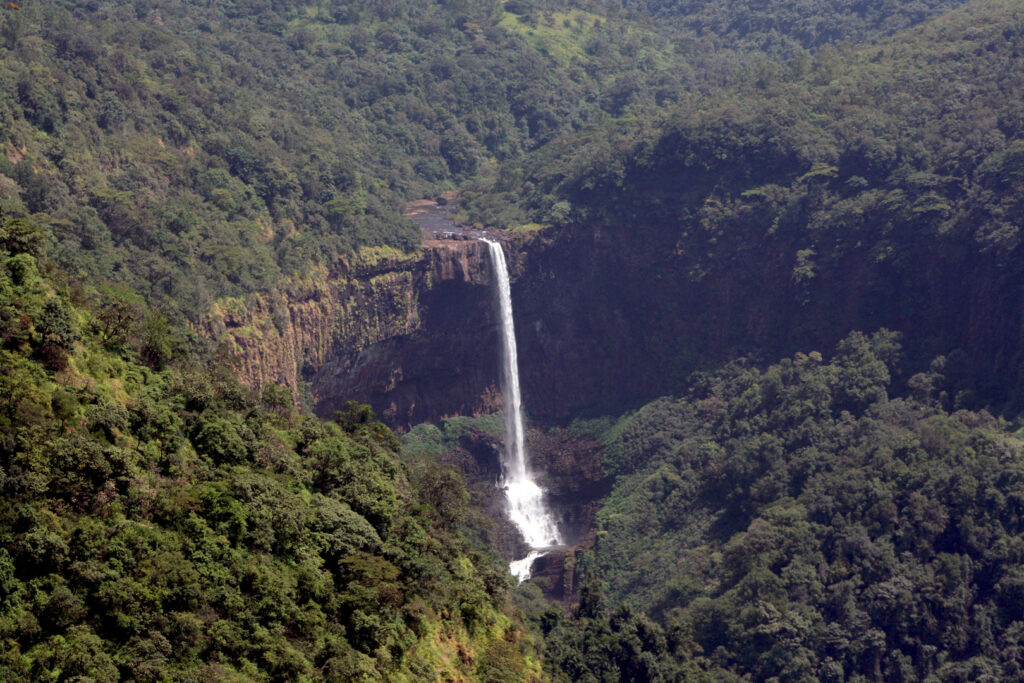
Fig. 10.1: The Ladki waterfalls on the Surla river, which will be affected due to the Mhadei river project.
Somewhere in the Mhadei valley near Satre village
DAWN is just moments away. As I stand in the waters of the Mhadei, the silent woods that surround me awaken from their slumber.
For over an hour, I stand mesmerized as the night recedes and daybreak brings to life the entire wilderness, with the waters flowing below my feet occupying centre stage. The characteristic call of a great pied hornbill fills the tree canopy and the frogs that have kept me company the entire night with their enigmatic calls now seem to take rest in the leaf litter of the forest floor.
I am in the Mhadei valley along the course of the Mhadei river, conducting a baseline survey of herpetofauna for the area.1 As sunlight filters through the dense tree canopy and focusses on the rivulet, which seems to come to life, my mind wanders off to my first tryst with this river and her forests as part of a Goa that was introduced to me by Rajendra (Bhai) Kerkar through a trek to the crown of the Mhadei, Sosogad, Goa’s highest peak in the year 2002. What follows hereafter are field notes to document the extraordinary diversity of species in this region, which it is our duty to protect.
But let me begin at the beginning….
Goa is the smallest state in India, well-known for its diverse geography, which has significantly shaped its history, culture, and environment. It covers an area of 3,702 sq. km and has a coastline extending 101 km. Goa shares borders with the states of Karnataka to its south and east, and Maharashtra to its north. The Arabian Sea borders the state’s triangular landmass and features a diverse landscape, including sandy beaches, mangroves, wetlands, and dense forests. Inland, the state is bordered by the fabled Western Ghats of India, a biodiversity hotspot and UNESCO World Heritage site, which plays a crucial role in maintaining ecological balance by regulating the climate and supporting various life forms. Goa’s protected forests include one national park and six wildlife sanctuaries, with seven major rivers flowing through the state. Among these rivers, the Mhadei river and its basin, are considered the state’s lifeline. This has been my work space and home since 2002.
In these bygone years since 2002, when the region’s geography presents environmental challenges such as land degradation and soil erosion, intensified by high annual rainfall and shifts in land use patterns due to various anthropological and policy change shifts, I, as a student studying Goa’s ecology in 2002, understood early on that Goa’s natural resources, particularly its varied biological diversity, play a crucial role in its economy as well as its overall well-being as a state. The state has a forest cover of over 1,424 square kilometres, covering nearly one-third of its area, supported and sustained by a river network that enriches our biological wealth like none other.
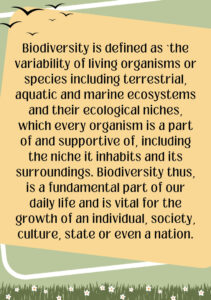
Box 10.1: Biodiversity.
It is here that I realized that the Mhadei-Mandovi Bioregion is an area of rich bio-diversity but has been poorly understood and acknowledged, let alone studied and documented, which constitutes a major lacuna in the understanding of this region. At the same time, scores of disastrous dams and diversion projects are being planned on the river Mhadei as part of a long-term strategy by the Karnataka government to address water shortage challenges in Hubli and Dharwad districts. A first meeting in 2002 with Rajendra Kerkar, Nirmala Sawant and others of the Goa River Conservation Network and other activists who came together in opposition to the damming and diversion of the Mhadei
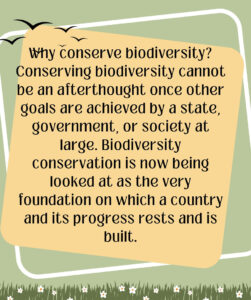
Box 10.2: Why conserve biodiversity
helped me understand the area a little bit better with respect to the impacts of damming and diversion on local biodiversity as next to nothing is known about the region’s lesser known biological diversity or its importance. The ignorance of the regional academic community as well as the national wildlife conservation fraternity is the source of much of my dismay and also of others in Goa.
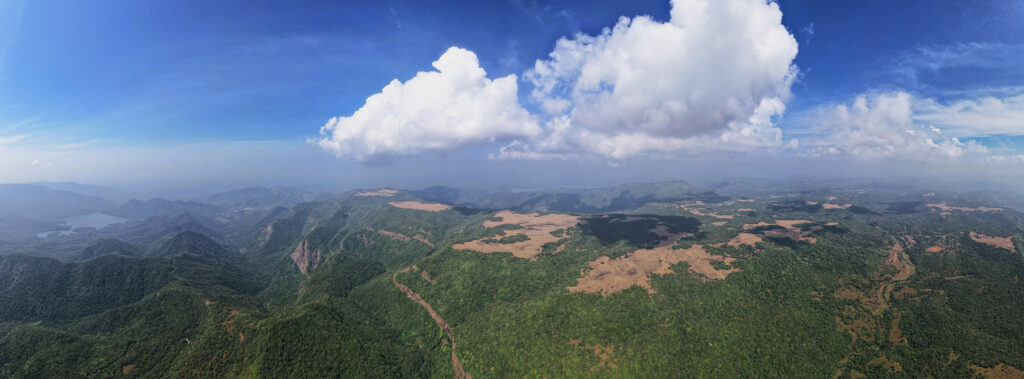
Fig. 10.2: Bird’s eye view of a region of the Mhadei bio-reserve, over the Goa, Karnataka, and Maharashtra borders.
Additionally, there has been a peak in mining activities which along with badly thought out infrastructure schemes have increased the region’s vulnerability. I stand witness to this unscrupulous and unabated destruction of natural resources with scant regard to their long-term impacts on biological diversity. It is now dawning on me that strong data sets in terms of research papers and notes, audiovisual documentation, and technical reports are missing from the scene in these times of need. And so are researchers.
Box 10.3: A New Species
Goa is rich in mineral resources—iron ore, manganese, ferro-manganese, bauxite, and silica sand—all major minerals that are being prospected in areas outside the designated mining blocks. This includes the Mhadei bio-region. The iron and manganese mining industries at this time are labelled as the backbone of Goa’s economy significantly contributing to its economic activity and to that of the nation.
2004–2011. Chorla Ghats, Mhadei Wildlife Sanctuary
Many years have passed and my journey has still to complete the Mhadei Wildlife Sanctuary itself, from where my mother river the Mhadei springs forth as Goa’s lifeline. I have walked along its course time and again for a decade, freezing images of the river and studying the lesser-known wildlife it supports. I have witnessed its various moods and the cycle of creation, destruction, and rebirth, during varied seasons and spells of the year. The mystical transformation of a barren tract of forestland into a thick carpet of green at the onset of the southwest monsoons, the sprouting of mushrooms, the calls of a peafowl and barking deer in the far distance, the soft rustle of leaves on which I tread—all pull me back to these mesmerizing waters of the Mhadei and the wilds that nurture and are nurtured by it. This region is a paradise for nature lovers and wildlife enthusiasts. Areas such as the Chorla Ghats landscape, the forests of Satre and Derode, and of course the criss-cross networks of rivulets at Nanode, Surla and Sonal, are like hidden gems of the Mhadei bio-region.
I now know from my wanderings in these forests that the Mhadei Wildlife Sanctuary, the Bhagvan Mahavir Wildlife Sanctuary, and Mollem national park in Goa, and the Bhimgad Wildlife Sanctuary in Karnataka as well as the reserved forests of Dodamarg taluka in Maharashtra are to be recognized together as one biodiversity-rich habitat—the Mhadei bio-region. Their proximity to other protected areas in Karnataka, namely, the Kali Tiger Reserve and their contiguity with the protected areas of Goa, i.e., Netravali Wildlife Sanctuary and Cotigao Wildlife Sanctuary, makes all these lands taken together an important corridor for large mammals as umbrella species and the diversity they collectively support and sustain.
In the years that have gone by, these contiguous forests of Goa, Karnataka, and Maharashtra have now been listed as Tiger Conservation Units (TCU) Level II by WWF-International,2 and are seen as a breeding area for tigers as well as a dispersal area for young adults in studies by the National Tiger Conservation Authority and the Wildlife Institute of India. It is here that the forests of Mhadei, being spoken about in bureaucratic and conservation circles, have the potential to become an important large cat source population site in the next few years. It is vital that this corridor connectivity be maintained in its current status as a trans-state protected area with no alteration. This area needs imminent and necessary strategies for conservation and management for the long-term survival of tigers in this habitat. The beneficial effects will also be felt in neighbouring regions and by populations of other large mammals documented in the area such as:
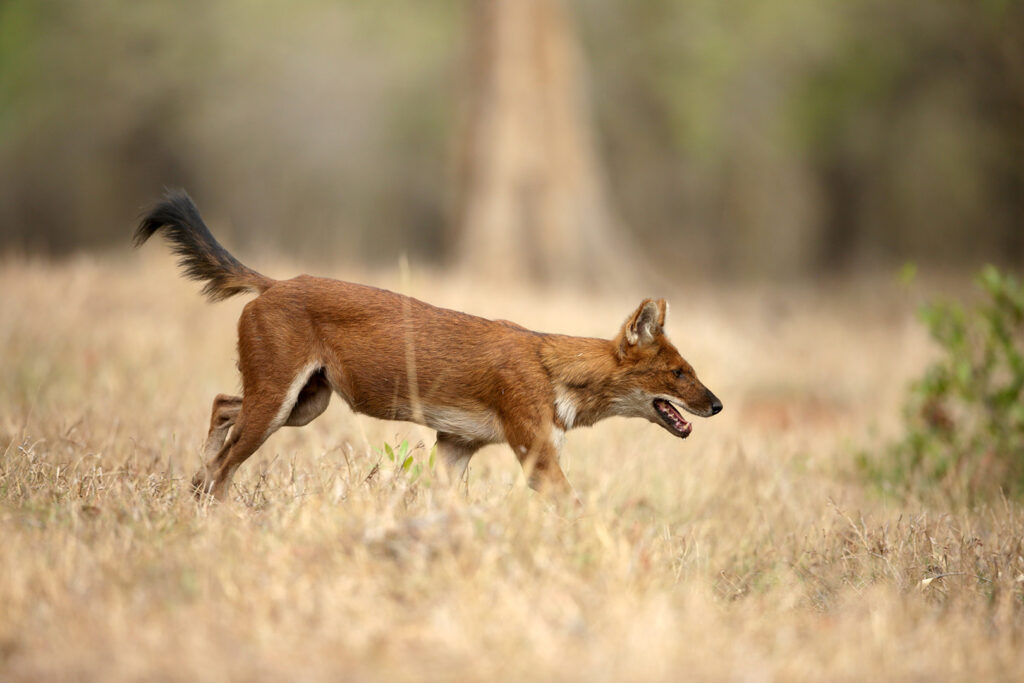
Fig. 10.3: Wild Dog (Cuon alpinus)
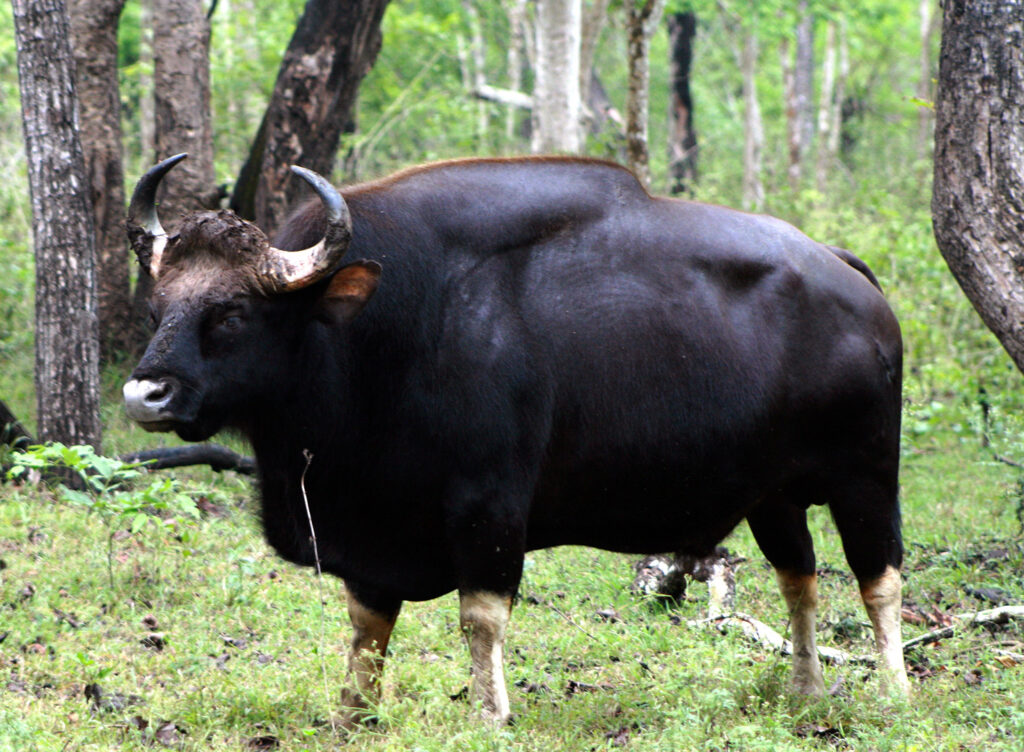
Fig. 10.4: Indian Gaur (Bos gaurus)
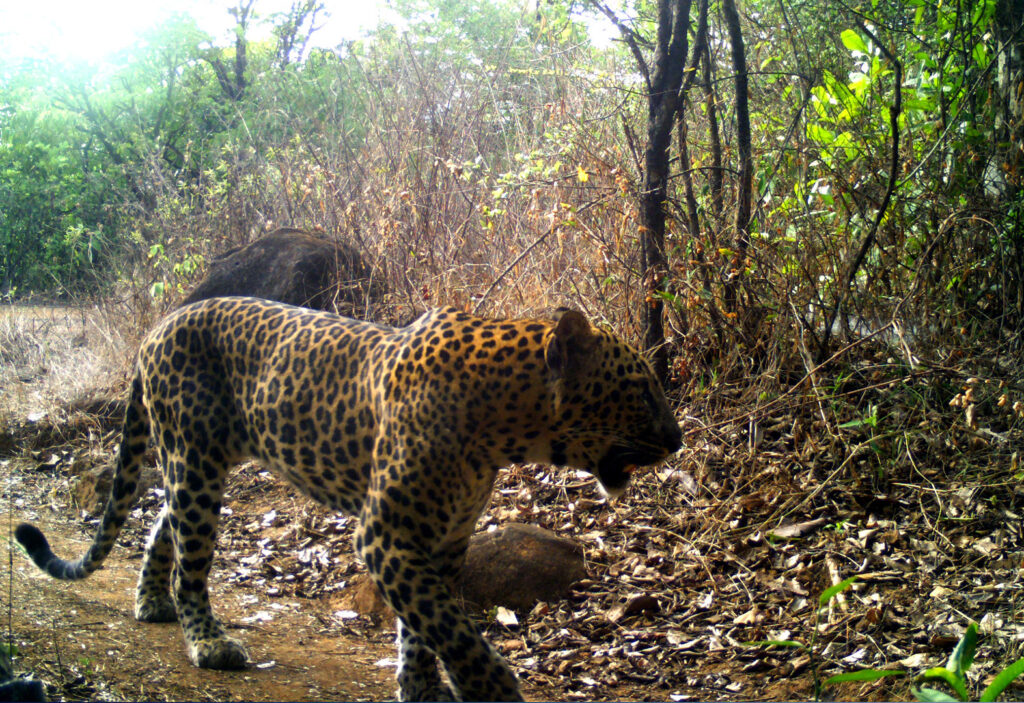
Fig. 10.5: Leopard (Panthera pardus)
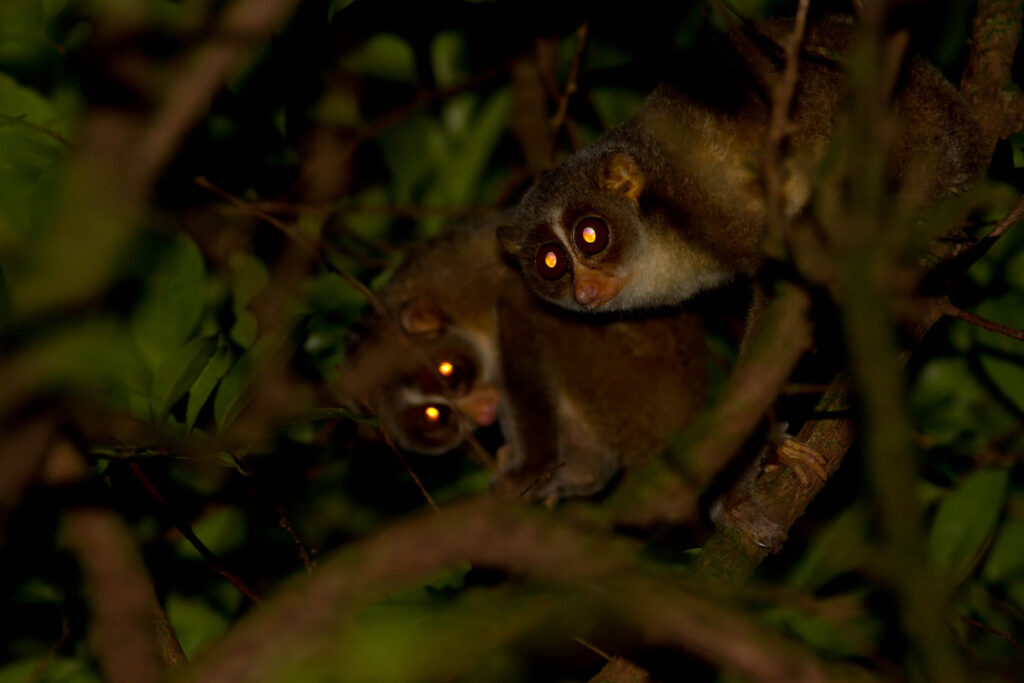
Fig. 10.6: Grey Slender Loris (Loris lydekkerianus)
- Indian dhole (Cuon alpines). IUCN Status: WPA-Sch II
- Indian gaur (Bos gaurus). IUCN Status: WPA-Sch II
- Leopard (Panthera pardus). IUCN Status: Near-threatened. WPA-Sch
- Slender Loris (Loris tardigradus). IUCN Status: Vulnerable. WPA-Sch This region as a part of the Western Ghats landscape is also now regarded as a global biodiversity hotspot as well as an area of high endemism by
Conservation International. That these multi-canopy forests are crucial to the survival of endemic and lesser-known mammals of the Western Ghats is now as known a fact as are the linkages of these forests with the micro-climate of the region and its niche habitats that sustain lesser known wildlife species. Hence, it is crucial to emphasize the presence of endemic lesser-known mammals, including the following species, before any habitats are irreversibly altered by the dam and diversion projects.
- Brown civet—endemic
- Travancore flying squirrel—endemic/endangered
- Jungle striped palm squirrel—endemic
- Slender loris—endangered
- Indian pangolin—critically endangered
- Small clawed otter— endangered
The avian fauna is extremely rich in the Mhadei region and a basic checklist of birds done over three seasons in the command area of the sites of the dam is attached in Annexure 10.1 at the end of this chapter. With a diversity of fruiting trees, woody climbers, an array of insects and a plethora of seeds and nectar, part of the Mhadei region in Goa, i.e. the Mhadei WildLife Sanctuary (WLS), has already been recognised as an Important Bird Area (IBA). Various ornithologists have catalogued an estimated 220 plus species in the region and the list continues to grow (Baidya, Karapurkar, and Dongre 2025). I list here some of the endemic species that have high conservation value and need a special mention:
- Malabar Whistling Thrush: A solitary bird endemic to India and known as the Whistling Schoolboy for its melodious birdsong.
- Malabar Grey Hornbill: An endemic species of hornbill with a declining population, restricted to the Western Ghats, this species of the Mhadei region is also known for its unique breeding habits in which the female seals herself in a tree hollow with her young and takes care of them till they mature.
- Indian Pitta: A brilliantly coloured bird endemic to the Indian subcontinent and a species that is mainly restricted to the forest floor.
- Nilgiri Wood Pigeon: An endemic and rare species of the southern Western Ghats, the Nilgiri wood pigeon breeds in these Sightings have dwindled in the last few years due to construction activity in the dam area.
- Loten’s Sunbird: Endemic to the Indian subcontinent, the Loten’s sunbird is a breeding visitor to these forests and is known for its striking colours.
- Crimson-Backed Sunbird: An endemic species to South India, this exquisitely colourful bird is conspicuous by its dramatic birdsong every morning.
- White Cheeked Barbet: Endemic to the Western Ghats of India, it is often seen in the company of other birds and is prominent because of its shrill metallic call at dawn and dusk.
- Nilgiri Flycatcher: An endemic to the Southern Western Ghats of India, this species has been observed only at altitudes above 600 metres above sea level and has been sighted in forested patches near construction areas.
The freshwater fish diversity of the region is yet to be catalogued extensively and the intrinsic crisscross network of streams, rivulets and nullahs are considered home to many endangered and endemic species of freshwater fishes of the Western Ghats of India. Being part of the Western Ghats, the region has been recognized by the World Conservation Monitoring Centre as one of the most important areas for freshwater biodiversity (see Atkore and Velho 2025 in the present volume).
The lesser-known species of this region including Lepidoptera (butterflies) and Odonata (dragonflies and damselflies) warrant urgent attention and conservation as a large percentage of species is site-specific and alteration of habitats can cause irreversible damage to small populations of such diversity in the region. I will share an example of a pathbreaking study conducted by a colleague Rahul Khanolkar a group of lesser-known species of bats that affect our lives and our environs as they play a key ecosystem role as seed dispersers, pollinators and pest control agents. This study was conducted in the Mhadei Wildlife Sanctuary and surrounding forests using audio echolocation equipment and photo documentation only and yet they recorded over 19 species of bats in a single year. Khanolkar and his team noted the importance of riparian areas and riparian vegetation, which provided bats with drinking water, abundant insect food and plant resources along open flyways. Bat foraging activity and species richness are higher in natural forest areas as compared to monoculture plantations of Acacia spp. done under the social forestry schemes to increase the green vegetation cover, without considering the damage they cause in the surrounding system.
Their observations from the point count and small transacts suggest that presence of streams, rivers, and a mosaic of diverse habitats positively influence both bat activity and species richness. Streams and rivers also play a very important role in the bat movement and travelling. Stream openings are widely used as corridors for faster movement. Streams also provide good feeding habitats for many bats by supporting a good number of flowering and fruiting trees along with a high insect population.
Tropical evergreen, semi-evergreen forest habitats in the region, and surrounding forests provide good foraging habitats for many bat species and support high species richness. Any change in this composition will affect this diversity and density of species irrevocably. The need to consider, study, and look at mitigation measures before any river diversion takes place is thus of paramount importance.
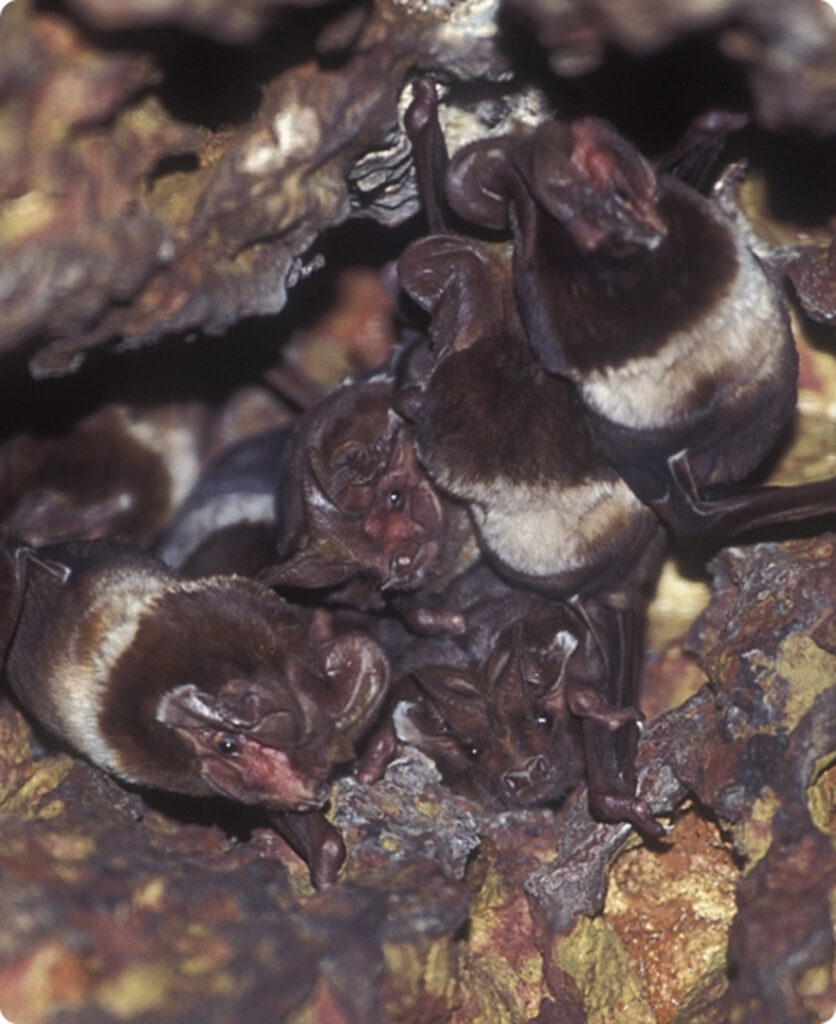
Fig. 10.7: Wroughton’s Free-tailed bat (Otomops wroughtoni)
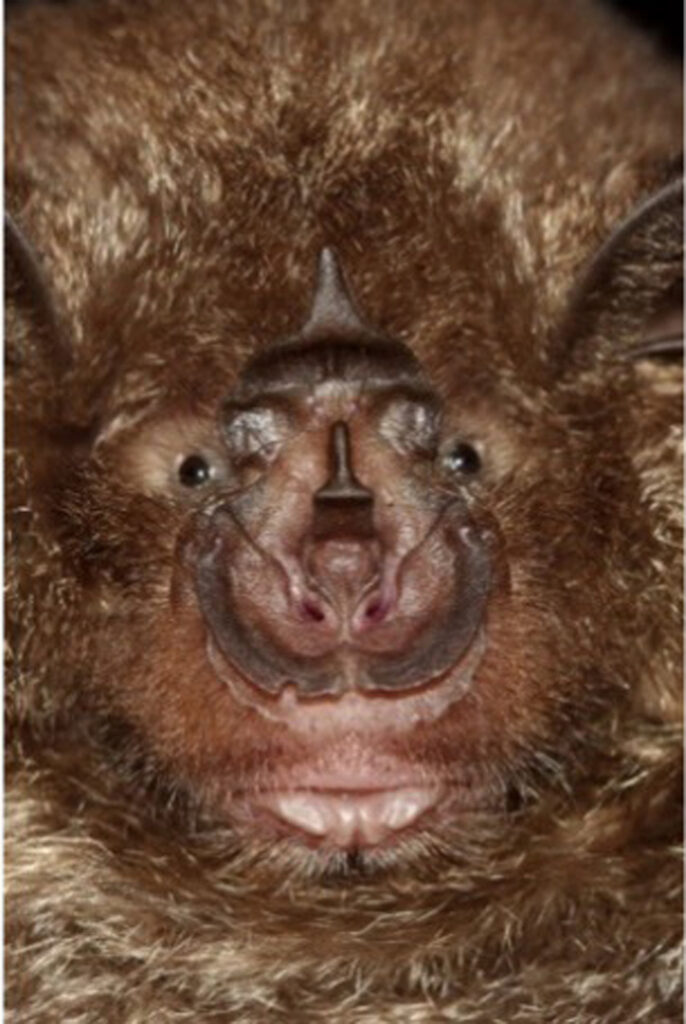
Fig. 10.8: Horse-shoe nosed bat (Rhinolophus affinis)
And while I have trained as a herpetologist with a deep interest in the study of Western Ghats endemic species and been part of a team that named a species of caecilians (legless amphibians) after the river and region, i.e., the Mhadei caecilian, I always grasp my camera every step I take in these waters. Each step opens new avenues in the field of wild biodiversity as well as aesthetics. I cannot ignore either because of my dual background in art as well as in wildlife conservation.
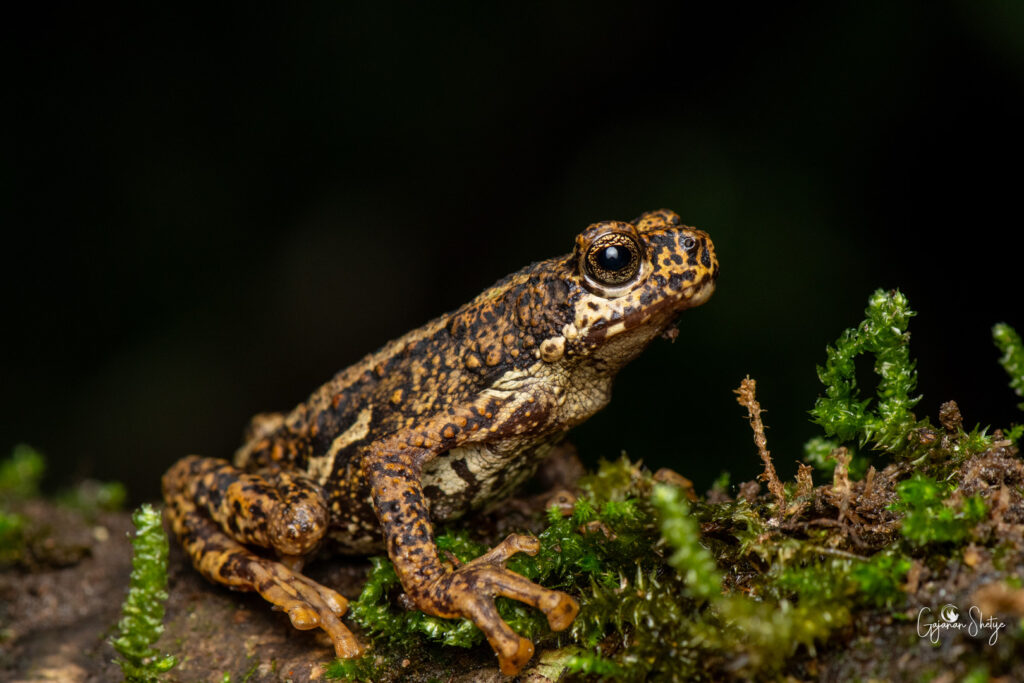
Fig. 10.9: Malabar tree toad (Pedostibes tuberculosus). Photo: Gajanan Shetye.
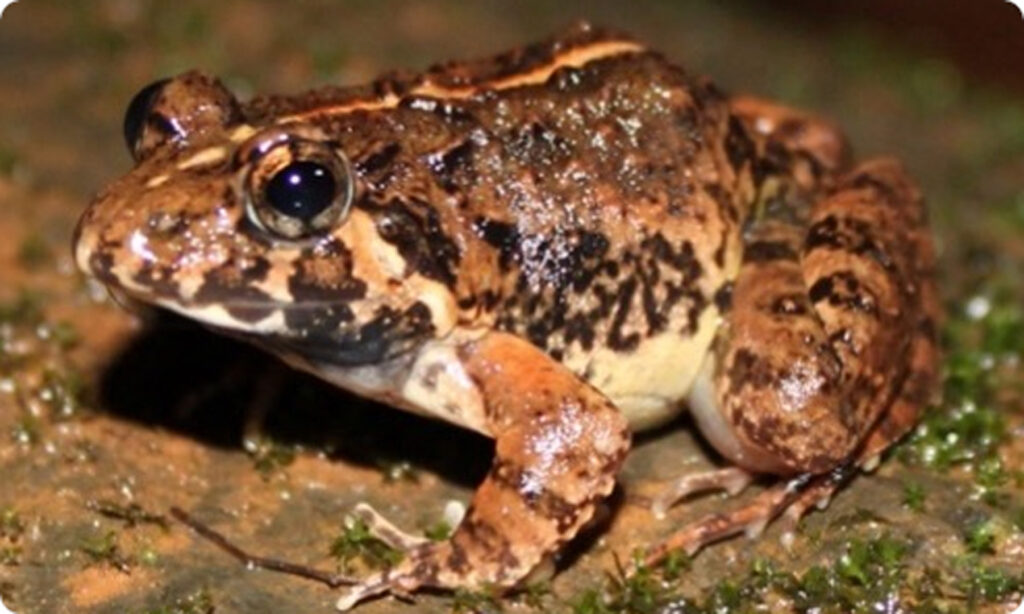
Fig. 10.11: Mhadei caecilian (Gegeneophis mhadeiensis)
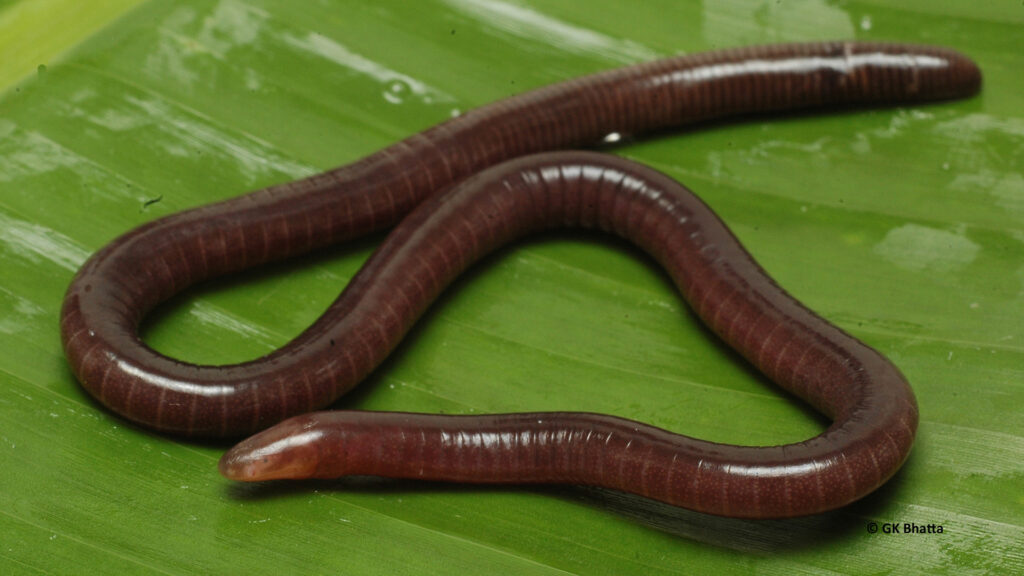
Fig. 10.10: Large Goan Minervarya (Minervarya goemchi).
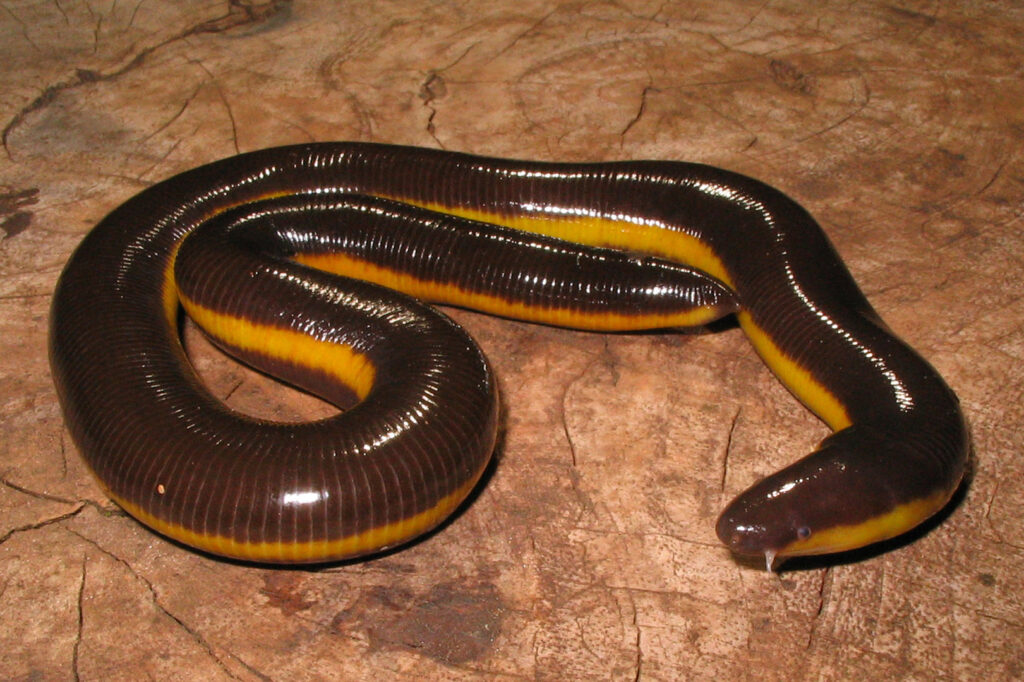
Fig. 10.12: Chorla giant striped caecilian (Ichthyophis davidi)
The herpetofauna diversity of Western Ghats in the Mhadei region is represented by Crocodylidae (Crocodiles), testudines (terrapins and tortoises) and Squamates including Sauria (lizards), Ophidia (snakes) and Amphibia (frogs, toads, and caecilians), all of which use the Mhadei region as niche habitats. The last two decades have seen the discovery of over seven species of amphibians, five species of snakes, four species of lizards and an array of range extensions of endemic ground as well as shrub-dwelling herpeto-fauna species that are hyper-dependant on the criss-cross river network of the Mhadei and its tributaries.
In the past fifteen years, 112 new species of amphibians have been discovered from the Western Ghats, indicating high levels of species richness as well as the need for systematic studies in the region. Among the 218 described species from the Western Ghats, 87.8 percent (158 species) are endemic to the region. The Mhadei-Mollem-Kali eco-region is a recognized niche habitat for lesser-known endemic amphibians of the Western Ghats, including the Malabar tree toad (Pedostibes tuberculosus) and Goan Fejarvarya (Minervarya goemchi). According to the IUCN Red List Assessment (2015), Pseudophilautus amboli is a critically endangered species recorded from the study area. There are three endangered species, namely, Pedostibes tuberculosus, Uperodon mormoratus and Minervarya sahyadrensis.
The high seasonal activity, secretive natural history lifestyle, and lack of conspicuousness of these species tend to be negative factors for any impact assessment for large projects like the Mhadei project. However, any neglect to these life forms will have long-term effects on these endemic species in terms of breeding sites both in the short-term (construction phase) as well as the long-term (operative phase). The threat to herpetofauna (reptiles and amphibians) is heightened as the active phase of amphibian activity coincides with the diversion of water through canals and related activities such as construction of dam walls. This will certainly cause long term impact on these multi-canopy forests that are crucial to the survival of these charismatic and yet hitherto lesser-known amphibians of the Western Ghats.
It has been proven that amphibian populations across the world are in peril due to the effects of climate change. Altitudinal variations, temperature and humidity variability, and niche forest types have resulted in endemic ground-dwelling and fossorial species that inhabit the Mhadei forests, including the Mhadei caecilian and the Goan caecilian, species that are recorded nowhere else. Scientists across the world fear that more than 50 amphibian species have become extinct over the last fifteen years alone, which includes over eighteen species from South Asia alone.
An Assessment of Amphibians of India under the Conservation Assessment and Management Plan (CAMP) workshop conducted in India has listed 32 species as Critically Endangered, 71 species as Endangered, 52 species as Vulnerable and nine species as Near Threatened. 63 species were listed as Data Deficient as no research data was available on them. The complex forest and riverine vegetation coupled with a network of streams and rivulets of the Mhadei, Surla, Kotryachi, Valvanti and sister tributaries support densities of some of these and several other undescribed species of amphibians due to the climatic conditions they create. The Mhadei dam and diversion projects collectively will adversely and irreversibly affect the micro-climatic conditions that are critical for herpetofauna, which tend to go unnoticed as they belong to a lesser-known fauna order.
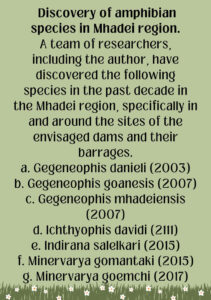
10.4: Discovery of amphibian species in Mhadei region.
It is now a proven fact that species that have been assessed for extinction risk are on average moving closer to extinction, with amphibians facing the greatest risk and coral species deteriorating most rapidly in status. The high rate of decline of amphibian species across the world also provides an indicator for the health of natural ecosystems in all regions and is a grave cause of concern.
Box 10.5
The loss of precious endemic herpeto-fauna over a long-term period will impact delicate point populations in tropical forests and is linked directly to the climate variations being faced in the region. This is a serious cause for concern if the submersion and diversion projects are implemented. I sincerely believe that the need of the hour, for our planners and elected representatives, is to show much greater efficiency in the use of land, energy, fresh water and materials in the Mhadei Bio region and its river, the Mhadei to meet growing demand from a rising and more prosperous population in all three states, Goa, Maharashtra and Karnataka.
2015–2020: Kankumbi village, near the dam site.
Having spent many of my field years staying, working, observing and documenting herpetofauna in the Mhadei-Mandovi Region, it is but natural for me to feel disturbed that significant areas of this important biodiversity hotspots are in grave danger. I therefore wish to provide a small glimpse of the ophidian (snake) diversity of this area, which is currently being affected by the ongoing work of the Mhadei diversion project.
Most of my work now has been to document, conserve, and popularize the ophidian diversity in the Mhadei region and is based on data collection and taxonomic evaluations combined with community knowledge, which is the standard scientific technique followed worldwide. Taking in-situ macro images of the highest possible quality with the help of high-end photography equipment always helps in the collection of secondary data. All the combined data generated is published in peer reviewed journals, popular news articles, as reports to the Goa State Biodiversity Board, the respective Forest Departments of states, and to the IUCN Viper Specialist group of which I am a member. My surveys and forays in these forests that span the states of Goa-Karnataka-Maharashtra have confirmed the existence of over 30 species of snakes, many of which are range extensions or new records in the region.
To begin with, the presence of one Schedule I species of snake protected under the Wildlife Protection Act 1972 (WLPA), the Indian Rock Python (Python molurus molurus) has been verified, and various individuals have been reported from time to time, some in the actual dam construction site, thereby confirming the area to be a habitat of this endangered species of snake. Additionally, five species of snakes protected under Schedule II of the WLPA have been documented from time to time, including the king cobra (Ophiophagus hannah), Indian rat snake (Ptyas mucosa), Indian cobra (Naja naja), checkered keelback (Xenochrophis piscator) and Russell’s viper (Daboia russelii), all of which regarded as important species for conservation in the country.
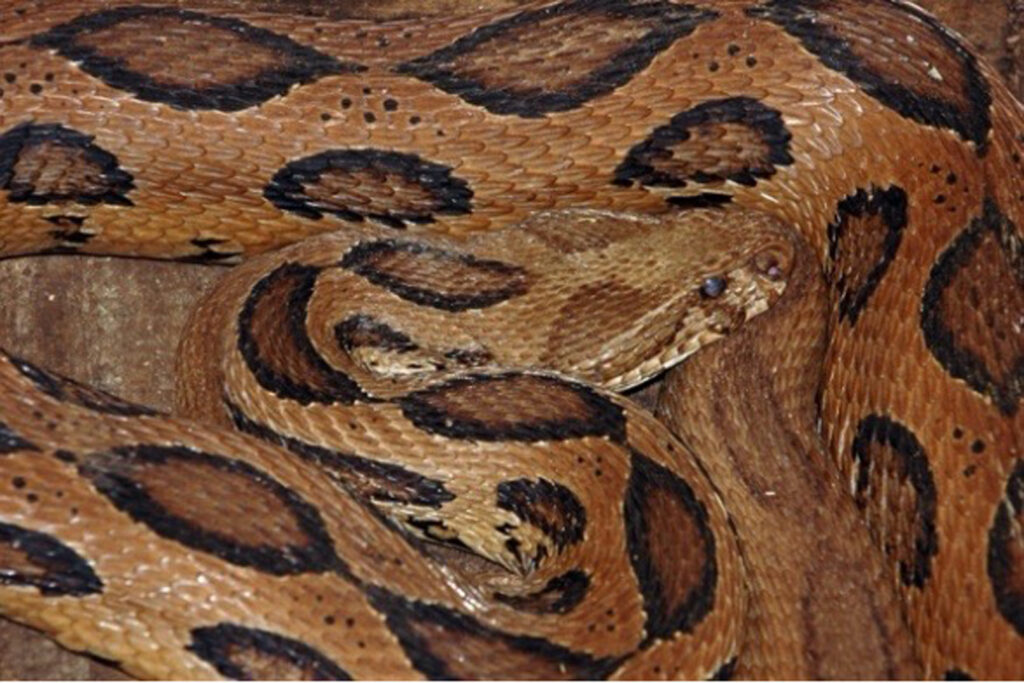
Fig. 10.13: Russell’s viper (Daboia russelli)
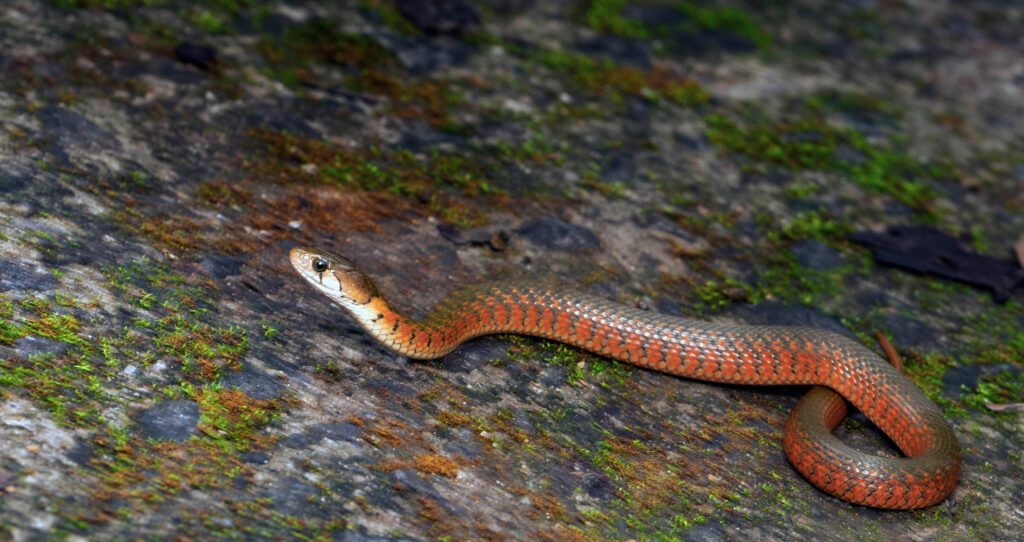
Fig. 10.14: Checkered keelback (Xenochrophis piscator)
Amongst forest species of snakes, the diversity is mind-boggling and the endemic species found here require special mention. The mixed moist deciduous and semi evergreen forests, mixed with riverine vegetation near the multitudes of streams that criss-cross these forests provide niche habitats to many endemic species of snakes that are unique to the Western Ghats and are not found anywhere on the face of the earth.
Amongst these documented species are the beaked worm snake (Grypotyphlops acutus) and Khaire’s shieldtail (Melanophidum khairei) both of which are endemic to India and are burrowing snakes that have put been put in the category of Data Deficient species as almost next to nothing is known about them. Other endemic species include the Elliot’s shieldtail (Uropeltis ellioti) and the large scaled shieldtail (Uropeltis macrolepis macrolepis), all of which are endangered. Rare species and specimens found during searches near the actual construction sites indicate a strong need to catalogue the diversity of fossorial fauna that would get affected by this project.
Besides, the area is home to another endemic species, the Whitaker’s boa. Chorla Ghats is one of the few localities where this snake has been found at altitudes above 750 metres, which is a new finding for herpetologists studying the habitat and behaviour of this poorly known species. Amongst tree snakes, which would be clearly affected by the destruction of tree cover, however large or small in magnitude, are the montane tree snake (Coelognathus helena monticollaris), a scarcely studied endemic species of snake that has been observed feeding on insectivorous bats, other snakes and small birds in the area.
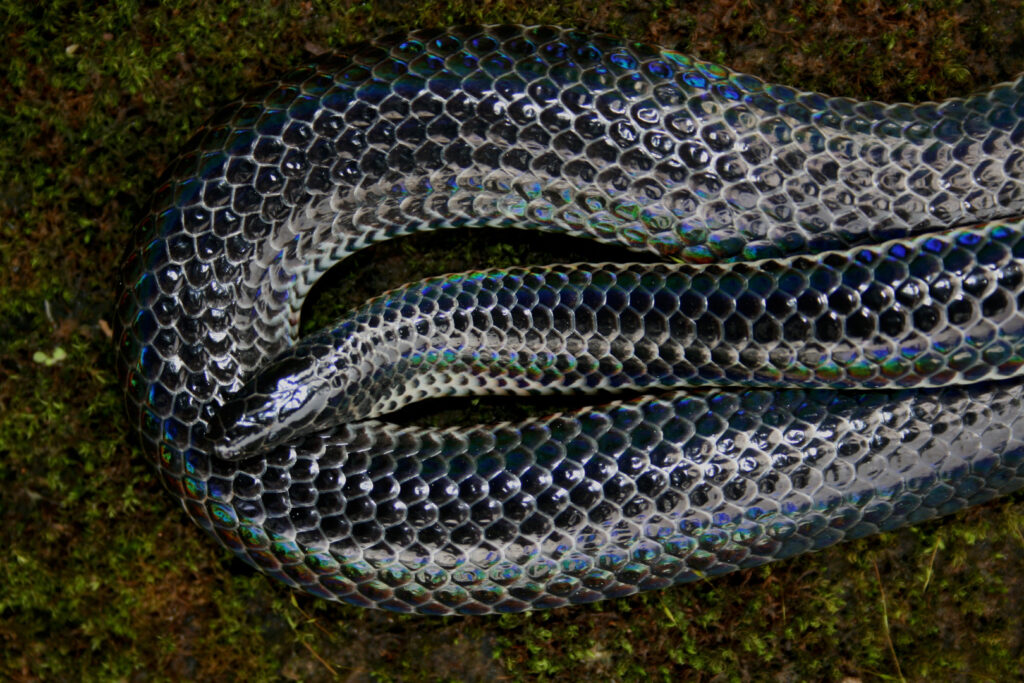
Fig. 10.15: Khaire’s black shieldtail (Melanophidium khairei)
The Northern Western Ghats vine snake (Ahaetulla borealis) and the Sahyadri vine snake (Ahaetulla sahyadrensis), the bronze backed tree snake (Dendrelaphis tristis)—these are among the scores of species which are on the verge of being irreversibly affected when large-scale operations for the Mahadayi diversion project commence. Effects can already be noticed at the site near Kankumbi village where ophidian sightings have been reduced to near zero numbers!
As far as ground-dwelling forest species of non-venomous snakes go, the Travancore wolf snake (Lycodon travancoricus) requires special attention as this nocturnal snake has been reported from this area by us in the very vicinity of the construction work that is in progress right now near the village of Kankumbi and is detrimental to the habitat of this forest species. Another endemic, the Beddome’s keelback (Amphiesma beddomei) is a snake whose niche habitat is the mud banks of streams and rivulets that are part of the Mhadei river. Alterations like canals and tunnels could spell doom for this species. But the most important record of forest species in this area is that of the aquatic rhabdops (Rhabdobs aquaticus), a rare and endemic species of snake that has been previously reported from only a handful of localities in the Western Ghats and has been documented here after being redescribed. All six individuals of this snake have been found in forest streams that feed the Mhadei. The destruction of these hill forests would spell doom for this elusive and rare snake.
The diversity of other non-venomous snakes found in these patches is extremely high, thanks to the high rainfall, good forest cover and the network of streams and rivulets that are unique habitats for lesser known snakes like the olive forest snake (Rhabdops olivaceus) and the ornate flying snake (Chrysopelea ornata), a rare snake reported from this area. This latter snake is known for its ability to glide long distances by extending its ribs and has been recorded to glide distances over 50 metres in the forests of the Mhadei region.
Here one must mention the erratic rainfall patterns and intense heat waves being witnessed in the region in the past decade, a possible fallout of thinning and systematic clearance of forest cover for the project. This has resulted in loss of water table and extreme weather patterns—high rainfall in short spans and prolonged summers—something that the rain station at Kankumbi is acknowledging now, after a decade of silence.
I reiterate that an informed collective of researchers, planners, and management professionals is essential to plan strategically to fuse development with the conservation of biodiversity of the Mhadei bio-region and the maintenance of the multiple services provided by the complex ecosystems the river. And when one discusses climate variations in cluster landscapes, one cannot ignore the highly evolved pit vipers whose niche habitats include the dense undergrowth and crevices that are unique to the forests of the Mhadei.
The Malabar Pit viper (Trimeresurus malabaricus), a Western Ghats endemic whose various colour forms have been catalogued by us over a period of eleven years, requires special mention as this snake is almost entirely dependent on the streams that feed water to the specialized habitat it inhabits. The drying up of streams due to change in course and thinning of tree cover has resulted in fewer sightings of adult females and further reduction in colour variations of this species. The proximity of water sources and density of canopy might also affect the unique colour variations of the Malabar pit viper. The bamboo pit viper (Trimeresurus gramineus), another highly evolved endemic pit viper species, has also been documented in the near vicinity of the proposed dam site and so have the exquisitely colored striped coral snake (Calliophis nigrescens) and Castoe’s coral snake (Calliophis castoe), two venomous species for which very little biological information is available. I choose not to delve into details of species like the green keelback (Macropisthodon plumbicolor), Beddome’s cat snake (Boiga beddomei), Forstein’s cat snake (Boiga forsteini), Russell’s kukri snake (Oligodon taeniolatus) and a host of other uncommon species as the list is too large for the scope of this chapter. I could go on and on as the area is a haven to ophidian fauna and is regarded as a treasure trove of diversity by those who have treaded this region in search of reptiles and amphibians.
I have just touched the tip of the tip of the iceberg, excluding lizards, geckos, toads and frogs, turtles, and caecilians which are all part of our listings for this area and are attached in the annexures to this chapter. And yet we could lose out on scores of species, some of which could also be hitherto undiscovered, as proved by studies carried out by researchers, especially studying frogs and caecilians.
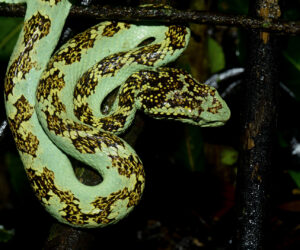
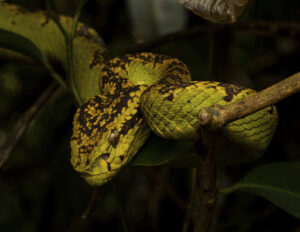
Figs. 10.16, 10.17: Malabar pit viper (Craspeddocephalus malabaricus)—green and yellow morphs.
It is thus critically important to understand that though biodiversity is a dynamic system, the very fact that we, as ecologists, have not even been able to catalogue it completely shows that we cannot take species diversity for granted or more importantly meddle with it in an area deemed as a biological hotspot under the guise of constructing dams and hydroelectric projects. The need of the hour is to recognize the importance of the wildlife biodiversity of the Mhadei-Mandovi bio-region as an asset to the country and to accord it the status of “area of national significance.”
With this overview and glimpse of recordings and collations done over three decades in the region, I conclude that focussed long-term impact assessment studies for lesser-known biodiversity in these wet evergreen, mixed moist deciduous riverine forests is critical before commencing on any project in the region. It is also essential to map and assess local populations of critically important species as a large percentage of these species are site-specific and alteration of habitats can cause irreversible damage to small populations of such delicate diversity in the region.
While my attempts to collate data with regards to the correlation of herpetofauna with local micro-climate change could not be completed for this chapter due to lack of time, I take this opportunity to flag the need for further research into this aspect. However, besides herpetofauna, I have also been able to spotlight the extent of lesser-known biodiversity in the region and the river to include odonates, large and small mammals, avifauna and butterflies in this chapter. I have tried to compile a check list of the various groups that I have touched upon. However, there is a need to investigate the taxonomy, population status, true distribution extent, ecology, habitat requirements, and threats to the habitat of the biodiversity listed and analyse this collectively through a peer review process for better assessment and any additional information that has been left out.
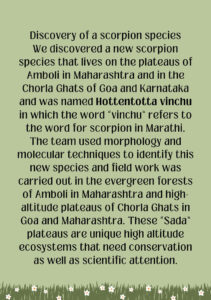
Box 10.6: Discovery of a scorpion species
2019-2024: Surla valley in Mhadei region
While I continue to make notes as a researcher, and my camera has a life of its own in terms of generating visuals in which images of Mhadei biodiversity turn into forms, scenes that pass on, or explode into a dramatic climax, I admit that this compilation is just a beginning. I personally have still not come full circle. As I peep through the viewfinder, my lens focussing on another endemic species of interest, my mind focusses on the stark reality that more than a lifetime of dedicated work is needed to ascertain the biological wealth of this region and its impact on our climate and on us. And vice versa. The herpetologist in me is determined, the photographer eager and anxious. The human being is still grappling with the realization of the magnitude of what is before us.
Box 10.7
Footnotes
1 The term herpetofauna refers to the reptiles and amphibians of a particular region.
2 Level II Tiger Conservation Units provide buffer areas for tigers when their core Level I habitats are threatened and allow them to move from one area to another.
References
Baidya, Pronoy, Jalmesh Karapurkar, and Sujeetkumar Dongre. 2025. Threatened Birds of Goa: Status of Globally Threatened Birds Reported from Goa. Arannya Environment Research Organisation and Centre for Environment Education.
Bowalkar, Dipak, Nadar Anal Gracy Michael, Kiran Gaude, and I.K. Pai. 2017. “A Checklist of Butterflies (Insecta: Lepidoptera) from Taleigao Plateau, Goa, India.” Journal of Threatened Taxa 9 (8): 10626–10630. https://doi.org/10.11609/jott.2687.9.8.10626-10630.
Dinesh, K.P., C. Radhakrishnan, P. Deepak, and N.U. Kulkarni. 2023. “A Checklist of Indian Amphibians with Common Names for the Country and Their IUCN Conservation Status.” Version 5.0. Zoological Survey of India. https://www.researchgate.net/publication/ 368396036 A Checklist of Indian Amphibians with Common names for the country and their IUCN Conservation Status.
Dinesh, K.P., C. Radhakrishnan, and N.U. Kulkarni. 2020. “Amphibian Species Discovery Pattern in India: Past, Present and Future Trends.” In Exploring Cities and Countries, edited by Kathie Summers, 187–198. Nova Science Publishers.
Frost, Darrel R. 2024. Amphibian Species of the World: An Online Reference. Version 6.2. American Museum of Natural History. https://amphibiansoftheworld.amnh.org/index.php.
Goa State Biodiversity Board. 2020. Glimpses of Biodiversity in Panaji. https://gsbb.goa.gov.in/wp-content/uploads/2020/02/GLIMPSES-OF-BIODIVERSITY-IN-PANAJI-6.pdf
Jadhav, Shrikant, and Sameer Kumar Pati. 2012. Fauna of the Protected Areas of Goa. Special Publication Series on the Occasion of CBD CoP-11. Zoological Survey of In-dia. https://www.researchgate.net/publication/272087512 Fauna of the Protected Areas of Goa
Mohapatra, P.P., S. Ray, S. Sarkar, K. Deuti, M.J. Palot, P.G.S. Sethy, and A. Bahuguna. 2024. “Chordata: Reptilia.” In Fauna of India: Online Checklist . Zoological Survey of India. https://zsi.gov.in/ uploads/documents/checklist/english/119 REPTILIA.pdf.
Pradhan, M.S. 2008. “Reptilia.” In Fauna of Goa, edited by the Director, 281–364. State Fauna Series 16. Zoological Survey of India.
Punjabi, G., A. Jayadevan, A. Jamalabad, N. Velho, M. Niphadkar-Bandekar, P. Baidya, R. Jambhekar, P. Rangnekar, O. Dharwakar, R. Lopez, M. Rodrigues, F.D. Patel, H.S.S.C. Sagar, S. Banerjee,
- Chandi, N. Mehrotra, S. Srinivasan, S. Shahi, V. Atkore, N. Kulkarni, G. Mallapur, H. Gawas, A. Borker, R. Prabhukhanolkar, H.S. Gauns, D. Halali, V.D. Shinde, K. Fernandez, E. Purdie, and M.R. Borkar. 2020. “On the Inadequacy of Environment Impact Assessments for Projects in Bhagwan Mahavir Wildlife Sanctuary and National Park of Goa, India: A Peer Review.” Journal of Threatened Taxa 12 (18): 17387–17454. https://doi.org/10.11609/jott.6650.12.18.17387-17454.
Rangnekar, Parag, Manoj Borkar, and Omkar Dharwadkar. 2010. “Additions to the Odonata (In-secta) of Goa.” Journal of Threatened Taxa 2 (10): 805–814. https://doi.org/10.11609/JoTT.o2286. 805-14.
Roundglass Sustain. n.d. “Myristica Swamp.” Accessed June 6, 2025. https://roundglasssustain. com/habitats/myristica-swamp.
Sawant, N.S., T.D. Jadhav, and S.K. Shyama. 2010. “Distribution and Abundance of Pit Vipers (Reptilia: Viperidae) Along the Western Ghats of Goa, India.” Journal of Threatened Taxa 2 (10): 1199–1204.
Sharma, R.C. 1976. “Records of the Reptiles of Goa.” Records of the Zoological Survey of India 71 (1–4): 149–167.
Subramanian, K.A., and K.G. Sivaramakrishnan. 2005. “Habitat and Microhabitat Distribution of Stream Insect Communities of the Western Ghats.” Current Science 89 (6): 976–987.
West, J. 2018. “Importance of Amphibians: A Synthesis of Their Environmental Functions, Benefits to Humans, and Need for Conservation.” Amphibian and Reptile Conservation 12 (1): 1–20.
Zoological Survey of India. 2008. Fauna of Goa. State Fauna Series 16. Zoological Survey of India. https://faunaofindia.nic.in/PDFVolumes/sfs/060/index.pdf.
| Sr. No Name | Scientific Name | Category |
| PHALACROCORACIDAE | ||
| 1. Little Cormorant | Phalocrocorax niger | R |
| ACCIPITRIDAE | ||
| 2. Blackwinged Kite | Elanus caeruleus | RM |
| 3. Brahminy Kite | Haliastur indicus | V |
| 4. Honey Buzzard | Pernis ptilorhyncus | R |
| 5. Shikra | Accipiter baiuis | R |
| 6. Bonelli’s Hawk Eagle | Hieraaetus fasciatus | R |
| 7. Black Eagle | Ictinaetus malayensis | R |
| 8. Crested Serpent Eagle | Spilornis cheela cheela | R |
| PHASIANIDAE | ||
| 9. Jungle Bush Quail | Perdicula asiatica | R |
| 10. Red Spurfowl | Galloperdix spadicea | R |
| 11. Grey Junglefowl | Gallus soneratii | R |
| 12. Common Peafowl | Pavo cristatus | R |
| COLUMBIDAE | ||
| 13. Grey Fronted Green Pigeon | Treron pompadora affinis | R |
| 14. Rufous Turtle Dove | Streptopelia orientalis | RM |
| 15. Spotted Dove | Streptopelia chinesis | R |
| 16. Emerald Dove | Chalcophaps indica | R |
| PSITTACIDAE | ||
| 17. Blossom headed Parakeet | Psittacula cyanocephala | R |
| 18. Blue Winged Parakeet | Psittacula columboides | R/E |
| 19. Lorikeet | Loriculus vernalis | R |
| CUCULIDAE | ||
| 20. Common Hawk Cuckoo | Cuculus varius | R |
| 21. Koel | Eudynamys scolopacea | RM |
| 22. Coucal or Crow Pheasant | Centropus sinensis | R |
CAPRIMULGIDAE
- Jungle Nightjar Caprimulgus indicus R
- Longtailed Nightjar Caprimulgus macrusus R STRIGIDAE
| 25. Barred Jungle Owlet | Glaucidium radiatum | R |
| 26. Collared Scops Owl | Otus bakkamoena | R |
| ALCEDINIDAE | ||
| 27. Small Blue Kingfisher | Alcedo atthis | R |
| 28. Stork Billed Kingfisher | Pelargopsis capensis | R |
| 29. White Breasted Kingfisher | Halcyon smyrnensis | R |
| MEROPIDAE | ||
| 30. Small green bee-eater | Merops orientalis | R |
| 31. Chestnut headed Bee-eater | Merops leschenaulti | R |
| BUCEROTIDAE | ||
| 32. Malabar Grey Hornbill | Tockus griseus | R/E |
| 33. Malabar Pied Hornbill | Anthracoceros coronatus | R/NT |
| PICIDAE | ||
| 34. Brown capped Pigmy Woodpecker | Dendrocopus nanus nanus | R |
| 35. Rufous woodpecker | Celeus brachyurus | R |
| 36. Heartspotted Woodpecker | Hemicircus canante | R |
| 37. Black-backed Woodpecker | Chrysocolaptes festivus | R |
| 38. Lesser Flameback | Dinopium benghalense | R |
| CAPITONIDAE | ||
| 39. Coppersmith | Megalaima haemacephala | R |
| 40. Small Green Barbet | Megalaima viridis | R |
| HIRUNDINIDAE | ||
| 41. Dusky Crag Martin | Hirundo concolor | R |
| 42. Wiretailed Swallow | Hirundo smithii | R |
| 43. Red Rumped Swallow | Hirundo daurica | R |
DANIIDAE
- Rufous backed Shrike Lanius schach RM ORIOLIDAE
- Blackheaded Oriole Oriolus xanthornus R DICRURIDAE
|
|||||||||||||||||||||||||||||||||||
| 46. Black Drongo | Dicrurus adsimilis | R |
| 47. Grey or Ashy Drongo | Dicrurus leucophaeus | R |
| 48. Whitebellied Drongo | Dicrurus caerulescens | R |
| 49. Bronze Drongo | Dicrurus aeneus | R |
| STURNIDAE | ||
| 50. Grey Headed Myna | Sturnus malabaricus malbaricus | M |
| 51. White Headed Myna | Sturnus malabaricus blythii | M |
| 52. Jungle Myna | Acridotheres fuscus | R |
CORVIDAE
- Tree Pie Dendrocitta vagabunda R
vagabunda
- Jungle Crow Corvus macrorhynchos R CAMPEPHAGIDAE
| 55. Pied Flycatcher Shrike | Hemipus picatus | R |
| 56. Common Wood Shrike | Tephrodornis pondicerianus | R |
| 57. Scarlet Minivet | Pericrocotus flammeus | R |
| 58. Small Minivet | Pericrocotus cinnamomeus | R |
IRENIDAE
- Common Iora Aegithina tiphia R
- Goldmantled Chloropsis Chloropsis cochinchinensis R
cochinchinensis
- Fairy Bluebird Irena puella R PYCNONOTIDAE
| 72. Black-capped babblers | Rhopocichla articeps | R |
| 73. Tickell’s Blue Flycatcher | Muscicapa tickelliae | R |
| 74. Whitebellied Blue flycatcher | Muscicapa pallipes | R/E |
| 75. Asian Brown flycatcher | Muscicapa dauurica | M |
| 76. Paradise Flycatcher | Terpsiphone paradisi | RM |
| 77. Whitethroated Fantail Flycatcher | Rhipidura albicolis | R |
| 78. Blacknaped Blue Flycatcher | Hypothymis azurea stayni | R |
| 79. Shama | Copsychus malabaricus | R |
| 80. Blueheaded Rock Thrush | Monticola cinclorhynchus | M |
| 81. Malabar Whistling Thrush | Myiophonus horsfieldii | R |
| 82. White Throated Ground Thrush | Zoothera citrina cyanotus | R |
| 83. Blackbird | Turdus merula | R |
| 84. Leaf Warbler | Phyloscopus spp. | R |
| 85. Bush Warbler | Cetia spp. | R |
| 86. Reed Warbler | Acrocephalous spp. | R |
| MOTACILLIDAE | ||
| 87. Large Pied Wagtail | Motacilla maderaspatensis | R |
| 88. Yellow wagtail | Motacilla flava | M |
| DICAECIDAE | ||
| 89. Plaincoloured Flowerpecker | Dicaem cocolor | R |
| 90. Tickell’s Flowerpecker | Dicaeum erythrorhynchos | R |
| NECTARINIIDAE | ||
| 91. Purplerumped Sunbird | Nectarinia zeylonica | R |
| 92. Small Sunbird | Nectarinia minima | R/E |
| 93. Loten’s Sunbird | Nectarinia lotenia | R |
| 94. Purple Sunbird | Nectarinia asiatica | R |
| 95. Velvet-fronted Nuthatch | ||
| 96. Common Kestrel | ||
| 97. Nilgiri Wood Pigeon | ||
| 98. Long-billed Vulture | ||
R – Resident; M – Migrant; RM – Resident Migrant; E – Endemic; V – Vagrant; CE – Critically Endangered; NT – Near Threatened
Author Profile
Nirmal U. Kulkarni is a herpetologist and nature photographer with over two decades of experience in conservation science and field herpetology in tropical forests of Western Ghats and North East India. He has served as an Expert Member of the Goa State Biodiversity Board and Goa State Wildlife Advisory Board for two terms, besides being part of various state and national committees on wildlife and research. Nirmal is currently Chairman of the Mhadei Research Centre, Goa, India and is leading research projects on the Leith’s soft shell turtle in Karnataka, a snake bite awareness project in Goa, and a monitor lizard project investigating illegal trade in India. As an ecologist, Nirmal is involved in long termmonitoring of the Chorla Ghats forests and the adjoining Mhadei bio-region. His research interests include field herpetology in tropical forests, tackling the organized illegal wildlife trade and conservation education.