Chapter: 17
Participatory River Drawings and Political Capabilities through Library Practice
Sujata Noronha
Abstract
The chapter focuses on Nhoi: The Goa River Draw, a multi-disciplinary participatory community art project conducted with library communities living on a segment of the river Mhadei. It suggests that the project’s approach, methodology, and intention enabled a remembering and reflection on the lived experiences of riverine communities. The use of multimodal ways of representing allowed an expression of people’s stories about the river, including their memories, knowledge, and vision, thus providing a space for people to visualize a future. The chapter also demonstrates how exhibition spaces of community art became sites for construction of a collective voice with political potential.
Project Delta
IN the local language Konkani, the river is often described as jeevan dhara—a “life stream.” In the year 2017, the local press in Goa was reporting actively about the state’s river dispute with its neighbours, Karnataka and Maharashtra, and the centralized plans to “nationalize rivers;” news that appeared to be killing this life stream. This discourse, while critical, appeared removed from the voices of the people who lived along the river. For us at Bookworm, a library-based organization in Goa, the underlying rationale behind our initiative to engage with riverine communities along a segment of the Mhadei was to access their voices and to understand how they felt about their river.
A river drawing project—Nhoi—emerged as a possible approach that would use visual art and conversations as a way to elicit people’s responses to the river. We explored this concept first by organizing a “thinking meeting” at the Charles Correa Foundation office in Panjim, Goa, with a few people from different domains of arts and knowledge practice in Goan civil society.
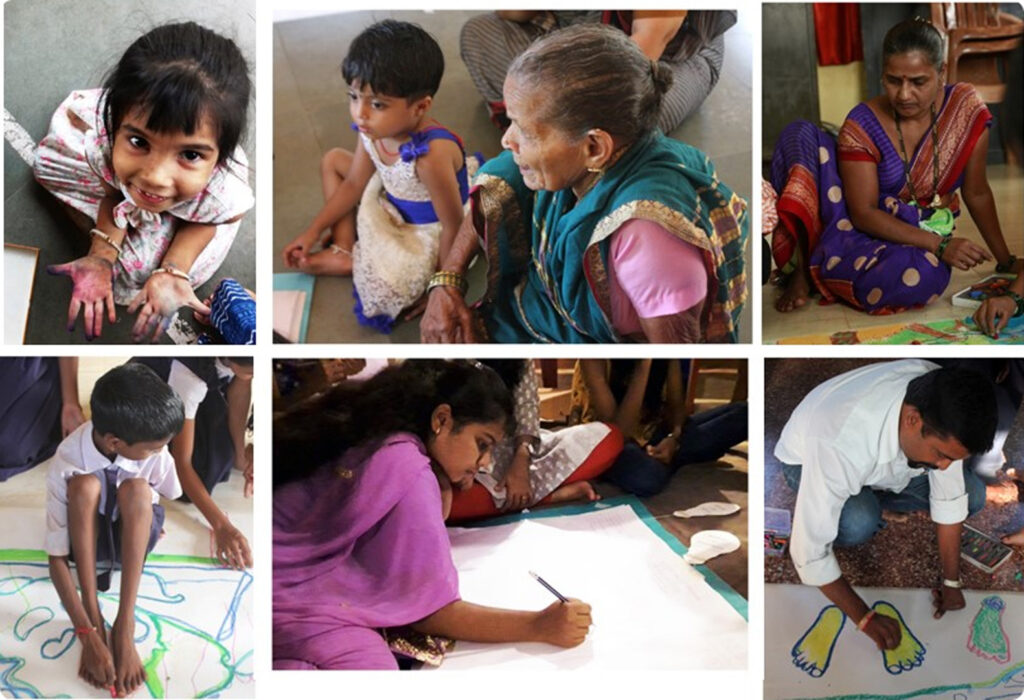
Fig. 17.1: Participating artists at Nhoi workshops.
Our approach and our idea held sufficient ground in this initial meeting for us to begin our formal partnership with the Department of Art and Culture at the Government of Goa’s Central Library. We imagined our partnership as a way for us to work with smaller village-based libraries along the river. We held our first “masterclass” with participating libraries in early 2018. It was at this workshop, that the participating librarians deliberated on the name of the project and baptized it Nhoi—“the river” in our language, Konkani. We then garnered enough momentum to begin a long flow of workshops in thirteen community locations through 2018. Because Nhoi was an internally driven project, it afforded us the benefit of time, enabling adequate pause and rest between workshops to ensure that each was fresh and the learnings documented systematically before we moved on to the next. Additionally, we organized a lecture series at the Bookworm library during the monsoon of 2018 to learn more from scholars who had waded into the river before us. We were honoured to host Professor Prakash Parienkar, doctoral scholar Sebastian Rodrigues and architect Noah Fernandes who generously shared their knowledge with us. In December 2018 and December 2019, we partnered with the Serendipity Arts Foundation to exhibit the art of Nhoi at a public arts festival in Panjim and in 2022 we returned to the Goa State Central Library for another exhibition of the art in its original form.
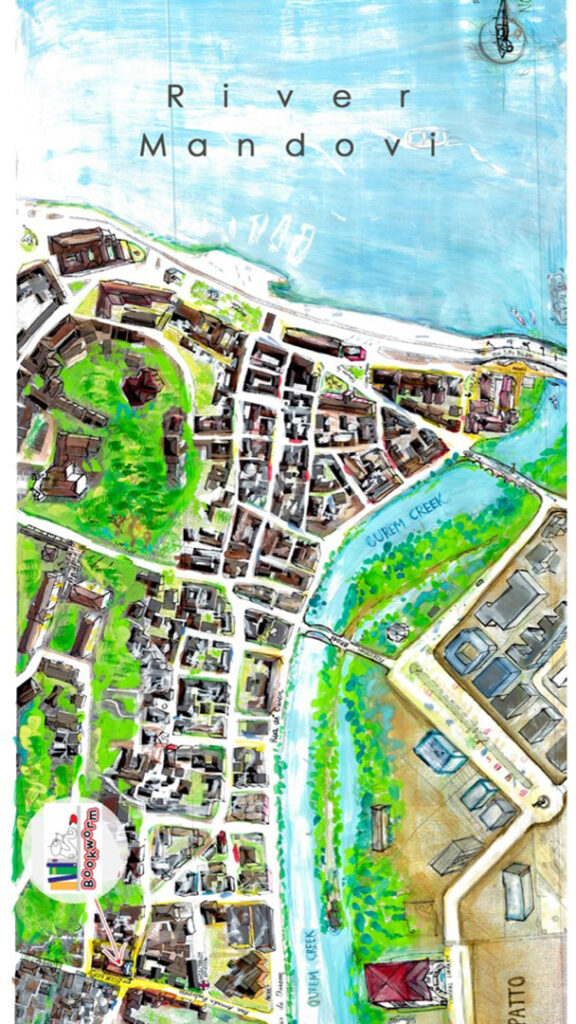
Fig. 17.2: A map locating Bookworm in the settlement of the Old Quarter of Panjim
When we conceptualized the project, we were conscious that we wanted a big draw—a community arts artefact that featured the ongoing river dispute. We believed that this would add creatively and productively to knowledge production and offer a necessary corrective to a discourse that privileged literate and dominant sections of society. As a community of educators, library practitioners and community practitioners, we were conscious of both our limitations and our strengths in our ability to frame an alternative discourse that could speak to the broadest audience possible.
The chapter is broadly divided into three segments. It first sets out the genesis of the project, its scope and purpose. Second, it goes deeper into the processes and methodology of the project and extracts key learnings from the participants across the themes of memory, knowledge, and vision for the river. Finally, it looks back at what has come to pass, attempts to make some tentative comments on participation and democratic action through library work, and closes with a brief update on how the project continues to flow in its seventh year.
The Bedrock
Rivers, as we understand, are mobile and complex; they are dynamic, moving dimensionally (also moving within space and time) in ways that are incredibly intricate and only occasionally visible. Quite like stories. People must necessarily deal with rivers differently from land and other more static and stable natural resources and will have stories to tell and knowledge to share that can be harvested for future retellings.
As social organizations, public libraries are expected to be responsive organizations. In a quest to determine how we could be both responsive to an ongoing river dispute and respectful of lived experiences, we sought to work through village libraries. Bookworm is a library-based organization that seeks to reimagine library practices. These reimaginings include visual art as a language of expression, record keeping, and archiving lived experiences.
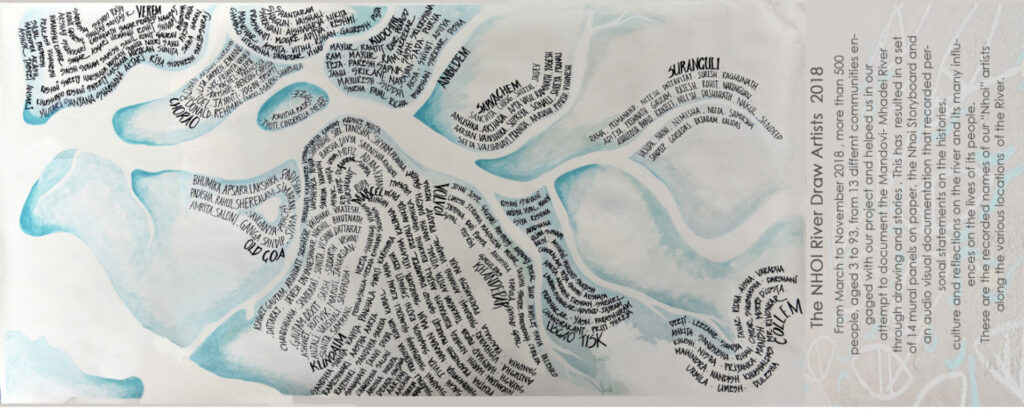
Fig. 17.3: Nhoi artist names and regions along Mhadei-Mandovi.
As an organization that works in an emerging space of children and young adult library services, we have found a paucity of readily available local stories. We draw upon a “funds of knowledge approach” for all our work, knowing that children bring with them a multitude of ways of knowing that enrich our learning as a community. A multimodal approach to library practice enables us to dissolve barriers around literacy, language, and knowledge, sharing in ways that more formal systems are unable to do. But it is primarily the relationship with people that constitutes our bedrock of practice. For the Nhoi project, we wondered. . .
- How do communities who live with the river view the dispute on their river, the nationalizing of their river, and their river as a commons?
- Do they imagine, construct and also deconstruct their relationship with the river over time?
- What are their present relationships with the river?
Within the geography of a small state like Goa, the State Department of Art and Culture that holds responsibility for library provision in the state extends support to over 100 village and community libraries. This was useful knowledge as it allowed the project to stretch its imagination and scope. But of greater consequence were the people who enabled systemic intervention. The Curator of the Goa State Central Library in January 2018 belongs to a riverine community and has a deeply felt experience of how the river and its ecology shaped lived experience. This could be one of the reasons why our proposal found permissions and bureaucratic support as we began to network with seventeen village libraries along the path of the river Mandovi. Subsequently, thirteen of these constituted our partners in the Nhoi project.
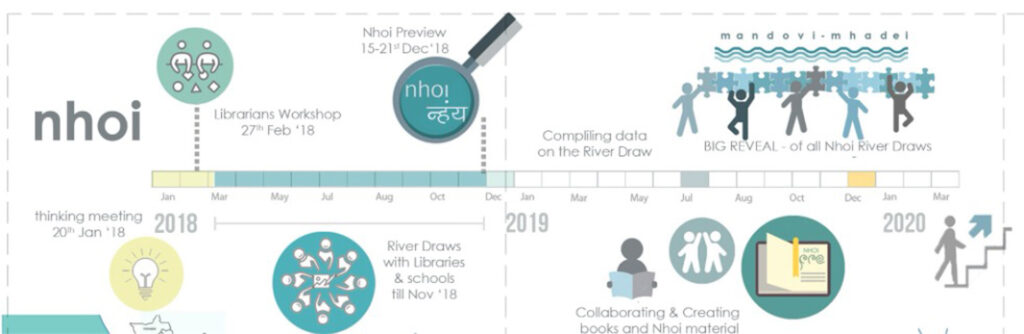
Fig. 17.4: Timeline of the Nhoi project (2018–2020)
The elements involved in making the project concrete included:
- gathering together a community
- workshopping participants into a state of mind to reflect on the river
- eliciting memory, knowledge and a vision of and for the river through a dialogic process
- facilitating a mapping of the river segment
- interpreting, learning, reflecting upon this artefact for future action
The outcome of the “thinking meeting pilot” in January 2018 enabled us to recognize that our approach was robust but needed to be better planned for time and tasks. It also alerted us to the technical and urban bias of the sharings that emerged. We recognized that in the pilot, our participants belonged to more “built societies” and were on the outside looking in when sharing their relationships with the river. The river to many in the pilot group was a “commons” to be acted upon or used. We realized in hindsight that the nature of the discourse of a more educated community that is physically removed from the river tends to speak of the river as separate from the self, whilst communities who live and act with the river have a different discourse when talking of their relationships with the river. In the sharings that follow, one will recognize the distinctively different relationship riverine communities have with the river. Most likely, our pilot meeting’s points of view were shaped by our dominant identities, our more formal scholarship, and our “dominant” social positions. We were prepared to be mindful of how we would make space in our design for voices to emerge from the ground up. The sensitivity and attentiveness of our own social position, and the absence of technical and formal knowledge of the river, was explicitly communicated to all our partners as we met with each community library over many months. It was quite marvellous to experience the readiness to share that unfolded as communities surrendered to the process and trusted us with their knowledge and artistic expression. We acknowledge the role of the library and the librarians as community agents in enabling this experience to unfold, notwithstanding some initial reluctance, scepticism, and hesitation. All interested librarians participated in a Master Workshop at the start of the project, February 2018, before individual workshops flowed into communities.
The River Flow
While our intention was to create a focal point of the library as a community mobilizer, the exercise in fact brought people together. It was not easy. Our fellow librarians activated village networks to enable large numbers of people to participate in the “drawing and documenting” activity. We asked for a minimum of 30 persons across all ages. The number of participants at each workshop ranged from 46 to 100+ and their ages from 5 to 86 years. Personal and cultural identities were disparate. The intention was to consolidate these representatives into documenting their geographic segment of the river.
Every drawing began with clusters of people, small groups—often divided along lines of age, prior relationships, and gender—and every drawing ended with a consolidation of these identities held together by the spirit and energy of the nhoi. We achieved a sense of community, acknowledging, as bell hooks (2023, 36) writes, that to build community requires vigilant awareness of the work we must continually do to undermine all the socialization that leads us to behave in ways that perpetuate domination.
Here is how we think we achieved this via a participatory art process:
- Beginning with a circle, often morphing into an oval because of the shape of the room and the number of people, but always ensuring that every face was visible and every person had space to voice, to draw, to observe at all Our pedagogy draws on the ideas of Paulo Freire who wrote that a problem-solving approach always included a cyclical process of listening, dialogue, and action that enabled all participants to engage in continual reflection and action (Freire 1970).
- Ensuring that there were spaces for individual conversations, small, and finally large group
- Generally sitting on the floor to work on art, except in one site. The act of being grounded and held up by the earth is a centering act and immediately cuts through caste/class hierarchies that may present in our culture with respect to who sits on a chair and who stands or uses the floor. However, we enabled support with chairs in the circle to allow elders to participate equally with younger and able-bodied participants.
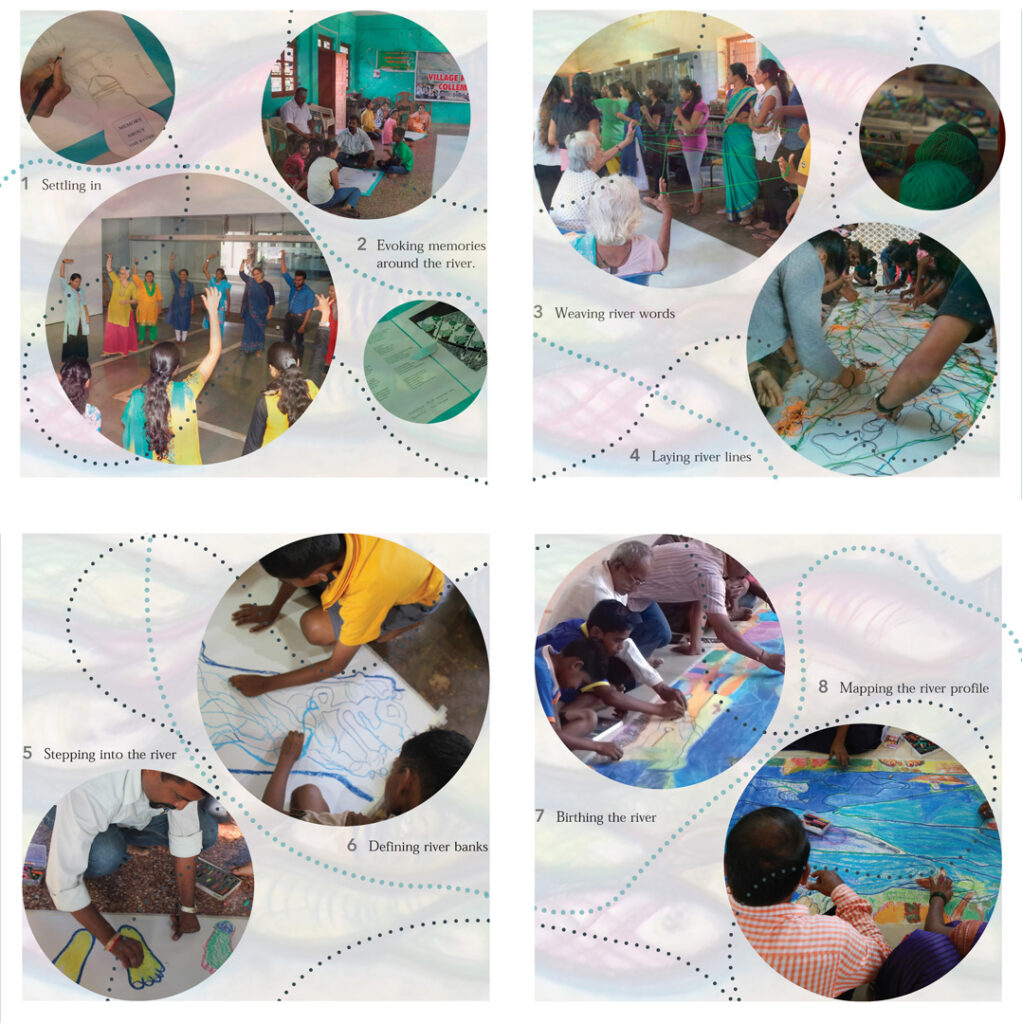
Figs. 17.5, 17.6. 17.7. 17.8 (left to right and top to bottom): Sequence of activities in Nhoi workshops.
- Initially using tactile, familiar material like thread, string, and wool along with spoken local language that “tied” the circle of participants together in the form of the “web of life,” and introducing unfamiliar media like pastel chalk, large drawing paper (6m x 3m) and expectations of drawing later in the This ensured an atmosphere of comfort and trust.
- Sequentially building on each micro-segment of the workshop to act subconsciously or consciously on the next activity cut through interruptions in flow and possibly allowed for more organic and seamless representation and sharing.
- Transferring ownership and design from the facilitating group to the participants during the drawing activity enabled their voices and autonomy to shine For example, passing the ball of string to someone while recalling words they connected with the river and in this way interlocking the group was followed by laying the wool down on the large sheet of paper to form the river lines. This was then outlined with the oil pastels as a warmup drawing activity which allowed participants to become directors of their segment of the river. Stepping into the river symbolically by tracing footprints/handprints and signalling the authorial intent of the drawing at the beginning shifted ownership of the work almost instantly thereafter. The participants alone added the details, directed the mark-making, symbols, and outlines, and coloured with chalk pastels with an easy medium of chalk pastels, erasing the presence of the facilitators completely until the drawing was done.
Our first workshop on the 27th of February 2018 was with 23 librarians from libraries around River Mandovi at the Central Library Art Gallery, Panaji.
Approximately 800+ people took part in the Nhoi drawings across thirteen communities. Three of these were school sites and included more children than adults. The other ten communities were composed of more adults, including elders, than children. The nature of the discourse was affected by the demographic composition of the participants. We experienced more technical responses from younger people about the river, who drew from textbook knowledge on sources of energy, pollution, and management; and more organic and lived knowledge from elders. Thicker descriptions were possible from all our elders across communities.
“buddti aile… buddti aile”. . . I ran outside to see what was happening—I saw that the river had grown fat all of sudden. It had been raining for many days but today it looked like the river had swallowed all the rain.
I was already soaking wet, so I walked closer to see the river and suddenly I was in the river. I was wearing a pink dress and it was floating around me. I was moving. I looked up and saw our house passing and I was moving away, with speed. I got frightened but held onto a banana stem that I was catching. I don’t know how this happened but the river had given me this long banana stem. The size was correct for my hands. I caught it tightly and closed my eyes. I stopped moving after a little while. I opened my eyes. I was near some other branches, sticks, and land. I put my feet down. I could stand up. I left the banana stem, and I walked home.
— Varsha, 33 years old, participant
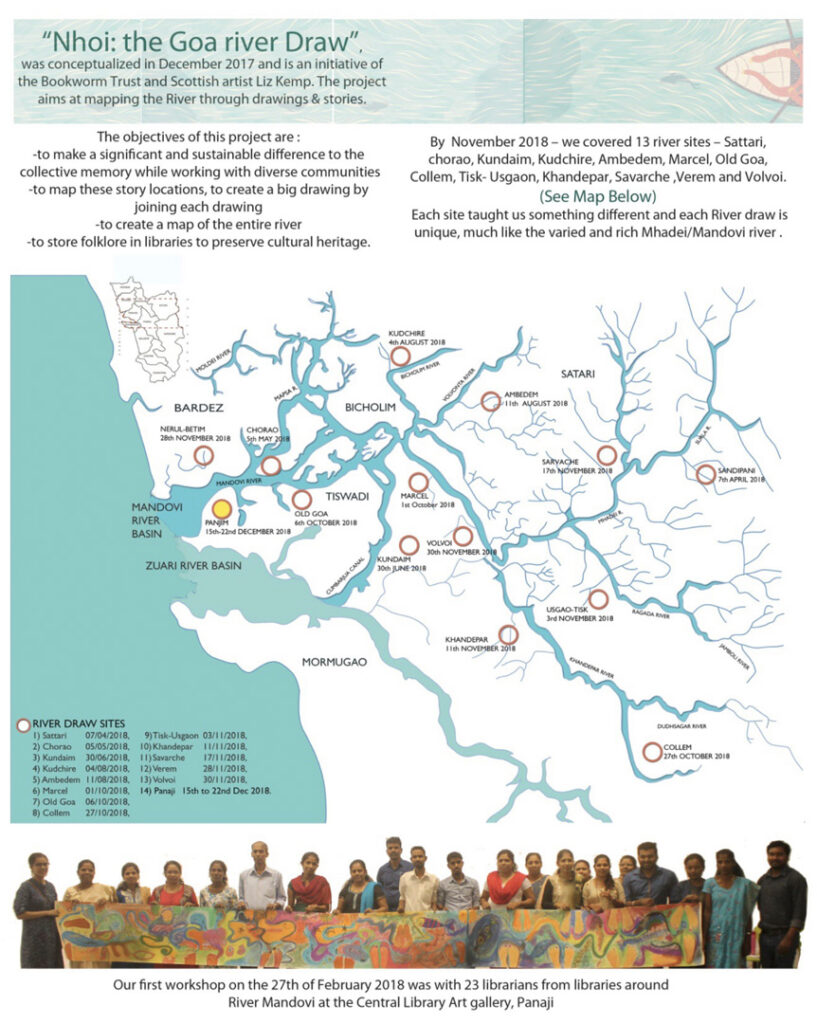
Fig. 17.9: Locations of participating libraries along the Mandovi/Mhadei
Over time, we recognized common strands in the stories shared. We heard stories about the protective spirit embedded in a black rock that helped save the village from many a breach of bank and flood. The community was different, the shape of the rock, its location and size would change, but the belief was persistent. We learnt about the river taking away the fish when she was angry and about the river being restful for play on sultry summer days, especially for children. We learnt that if an elder was angry with a child, forbidding them to go to the river was a serious consequence. We learnt that geographic identity was couched in river-based language. Weddings, schools, hospitals were located across the riverbank, a few villages upriver or downstream.
I had never left my village as a child. I went to school in the village, up to class 3 or 4. Then I helped my aunt in the tailoring shop, my mother in the house, and got married, two villages down the river. Because we used to wash clothes in a part of the river, I learnt so many things about plants, seeds, and trees. I knew that there were different kinds of trees upriver because leaves would come floating down that I had never seen before. Once a branch came with fat hard seeds on the stem. I took it out and dried it on the bank because I had never seen such a stem before. I had not travelled upriver but I felt I would know the place.
—Tulsi, 60 years old, participant
Stories abounded, often short, sharp, and poignant. We were able to categorize them into the following clusters.
- river as a protector—of individuals in some instances and of the village in others
- river as provider—human and animal
- river as sustenance—human and ecological
- river as a teacher—human
- river as a playmate—particularly children
- river as a diviner—community/village space
We know from literature and numerous retellings that riverine communities have deeply felt and intimately held beliefs and relationships with the river. But to many of us, as a holding group, the piercing depth of these stories was fresh and insightful because until this time, we had never listened, in this way. To spin Gayatri Spivak’s (1994) argument of “Can the subaltern speak?” these outpourings enabled us to reflect on the question “can dominants listen?” We probed on occasion about conflicts with water, attempting to understand if ideas of purity and inclusion were practised. These are contentious questions, particularly to the “outside gaze,” and participants studiously avoided answering them. On only a few instances we learnt that there were designated spaces for activities—where to wash clothes, where to go to “toilet,” where to get cooking water, where to get cleaning water, etc. We were presented with an imagination of an inclusive community rather than a polarized one.
We used to wait for rainy days, because there was a coconut bandh around that turn and we were not allowed to go there. But on windy, rainy days coconuts would fall and get washed into the stream. We would wait on this side and collect all the coconuts. Sometimes the pleasure was only that we got the coconuts—they were not such a treasure like today but as young children, we got something we were not allowed to touch from that property so it was great fun! We used to feel like winners after a good coconut collection.
—Sailesh, 40 years old, participant
Narratives that emerged in the “Memory” segment went beyond the personal in two of our communities. One of these was an island community. In its tellings, legends of the island appeared to dominate the sharing of personal memory stories. It provoked in us a reflection on the relationship between the island and the mainland and the possible need for the narrative to appear grand.
Legend tells us that our island was formed by precious stones—emeralds thrown into the river by Krishna’s mother as she passed the area.
Some countered that the precious stones were diamonds but a determined storyteller in the group clarified and said they were emeralds and that is why the island is always green.
After the Portuguese came to our island, they wanted to measure the island. My father told me that they sent a man and a horse to run around the island and measure the distance. They never came back. This is how big our island is!
In another community that nestles at the foothills of the Sahyadri range and hosts one of the state’s most beautiful waterfalls, there was concern about the “political” nature of our intention. A large number of village elders were present and initially no one seemed keen to share or speak. However, when the project’s objectives, information about participating libraries, some images of the art created thus far, and the team’s intentions were made clear, they gifted us an outpouring of stories. The participation was so rich that there were two parallel groups that had to be organized to enable everyone to take part in making art.
The limitation of activating memories in an intergenerational group of participants meant that we often heard stories from only a few participants, but the nature of storytelling and its inherent power enabled the community to listen to stories that were previously untold in a public gathering. The role and purpose of orality in reproducing relationships of existence, survival and sustenance were briefly evoked through this segment. We wondered if it was possible through the library, to “amp up” practices of this nature? We wonder if it is stories of this kind that may empower us with stronger reserves of resistance in the face of rapid change?
We recognize that it may be problematic to read too much into each story, but across thirteen communities, patterns emerged that reinforced the narrative of the river as a spatial and a temporal presence embedded in the personal lives of the people. It was, therefore, very interesting to reflect upon the question that followed this session.
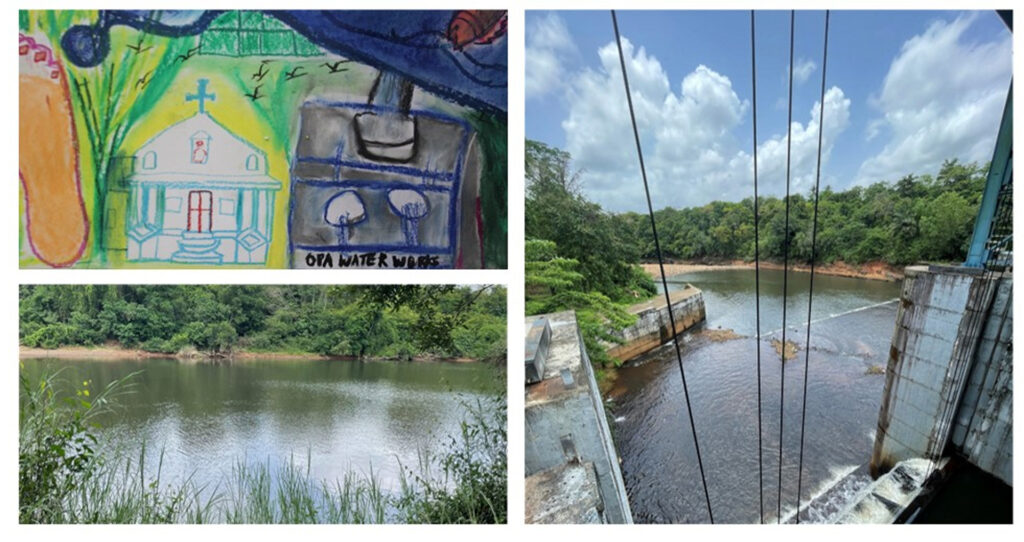
Fig. 17.10: Drawings reflecting the lived context from Nhoi: Khadepar Village
Has the community’s relationship with the river changed? If yes, why?
From the nostalgia and the intimacy of personal storytelling, the atmosphere of the group would shift markedly. Storytellers, usually belonging to a certain age group, would look upon the younger members in their group and the younger members would look down or away. Close observation of the physical self when faced with an uncomfortable reality is a precious reminder of the spirit of our humanness. No one made bold to answer but all groups eventually struggled with this question. We claim that it was an important segment in the process of the workshop’s imagination to accommodate the changing relationship with the “commons” and to reflect upon it. Key responses that are both poetic and deeply suggestive of how a community respond to change are listed here.
nal aile—tap water arrived
raste baandhle—roads were built
sarkaraan gadbad keli—Government messed things up
kaamaank laglein (gaanvchya bhir)—we began to work (out of the village economy)
gaon sodlo—we left the village for the city/work
ghar bandhlein (nhayek faat aani fudlyaan rasto)—we built houses (which back the river and face the road)
ferry boati suru zhalyo —the motorized boats ferries began
mining chalu zaalein—mining began mining bandh padlein—mining stopped meeth ailein—the land has become saline kaamgaar na—no labour to work the land
panchaayatichein raajkaaran zalein—local self-government has become political
palovya, kitein zaatale—let us wait and see
bhurgi collegik vataat—children now travel to the town to go to college aata swimming shikpachein asa—now we have to be taught to swim aadlo veal veaglo ashillo—older times were different
kitein karchein?—what can we do?
How development, education, a changing landscape, migration and modernity have affected riverine communities is outside the scope of this project, but the mood, tenor and vocalizations that were shared indicated deep feelings about changing times. We felt rather than heard how a changing world feels like to a changing community to its people. We sensed rather than recorded how a shifting local politics is not necessarily taking everyone along on this “highway of progress.” We recognized that responses were not bitter or closed off but hinting towards a need for purpose and direction.
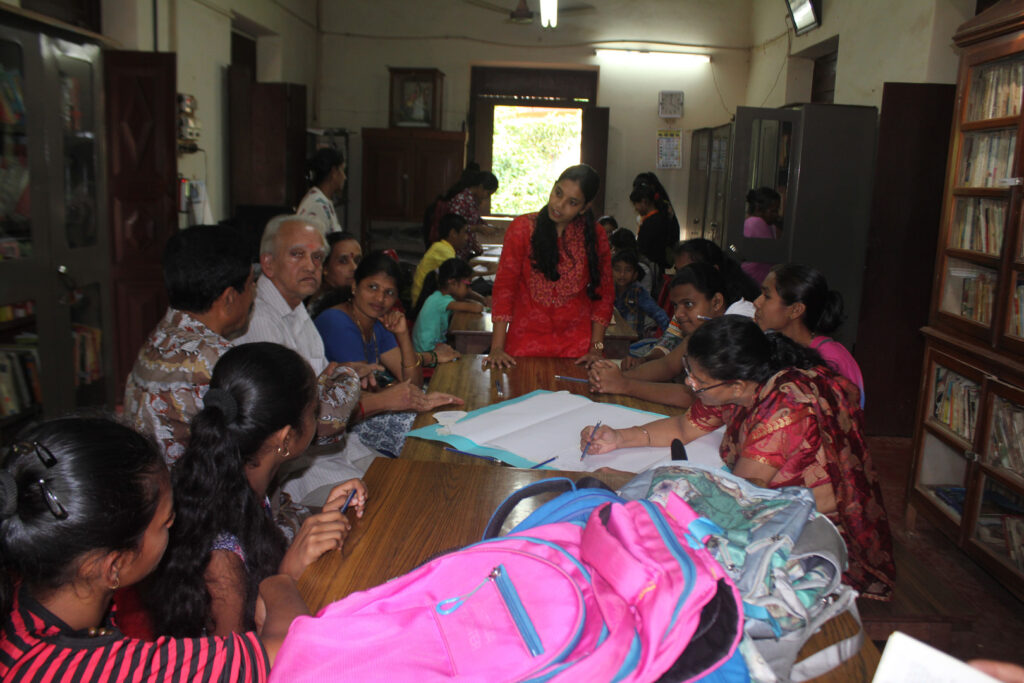
Fig. 17.11: Activating prior knowledge about the river from Nhoi: Marcel Village
What the Community Revealed About “Knowledge”
Research highlights environmental politics as a particular place where community knowledge and “institutional” science and technology studies interface, negotiate, and learn from each other. The Nhoi project embodied several such interesting constructions of community knowledge. As previously stated, our thinking meeting pilot with urban non-riverine communities was suffused with technical information as knowledge. The nature of knowledge revealed amongst the thirteen riverine communities, particularly where there were intergenerational and mixed gender groups, was of a rather different character.
We realized that almost all elders—indeed, most community members, male and female, above the age of 35—had boating skills, were competent fishers, and were comfortable swimming in the river. The types of boats they used varied. We were excited to hear older women speak about how they had to take someone in the boat across the river to access a midwife or bring in a relative when no older male was available. Men recalled their youth as boys and the daring trips they took during the monsoon or even during the Chavath festival (a Hindu festival celebrating Lord Ganesha) in the past. One man gently shared how he was rather chubby as a child and during a particular stormy crossing, he was asked to come and sit in the boat as a ballast because the river current was strong. Fishing was remarked upon as the most natural skill available. Everyone fished and knew where to find particular kinds of fish. Who ate what kind and what season to find the fish was common knowledge. Swimming was more common among males than others. All these statements were shared in a matter-of-fact way—calmly, occasionally with some laughter, and very conversationally. There was almost a sense of surprise that stories of this kind were important to us in our documentation and constitution of knowledge.
Exams were finished. It was a very hot day. I was so happy they were over. I came running home. Our house was just near the river. As I was running, something made me want to jump in the water… so I threw my bag down. The books, pen, all fell down. I did not care. It was the last day of exams.
I jumped in the river. Ahhhh that feeling…
Many days later, our results came. I had failed.
Now, I had no books!
My mother made me go to a neighbour’s house to study.
Sandeep, 50+ years, participant
As we heard stories of this variety around the “knowledge” segment, it compelled us to think about categories we create in formal education discourse that often may not provide easy entry points into understanding or growing in learning for all learners. Stories of the nature shared do not demonstrate knowledge on the surface, but a more acute reading may indicate many threads of knowledge and also wisdom that shines through. How could these become entry points into more formal systems of learning?
As we stepped away from the drawings and looked at them as one would a map, it was clear to us that each community knew the shape and form of their river intuitively. It is as if the river flow path is in them because they live along it. When a participant was unsure about the placement of an important structure/symbol they asked or were advised by another. Spatial awareness and geographic pointers were always first put down on the paper by participants who felt they knew their river. Organically like a river, others took the current of these markings and added details and smaller forms to make the composite drawing. As a part of the design process, the group kept moving around the paper at intermittent intervals and this allowed the observation to become more and more specific and particular. If a participant spotted a gap when they changed places, they added an element that completed the drawing. If it was complete they darkened lines or embellished.
Almost all of this process was done in a quiet meditative state of calm concentration.
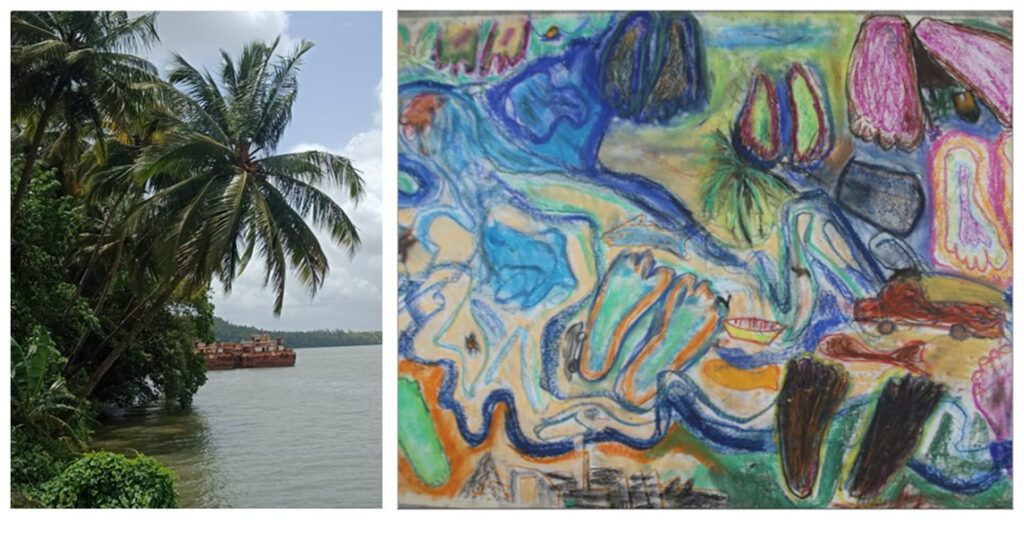
Fig. 17.12: Capturing the flow of the river in images from Nhoi: Volvoi Village
Intergenerational Learning
“I cannot do this,” she says as she makes to leave the circle and sit by the side. She is frail but erect in stature and clear in voice.
“Why?” we ask ignorantly.
“Tchah . . . I cannot do this. I have not touched these things” pointing to the box of coloured chalks that was laid out.
From the other side of the rolled out sheet of paper, comes a voice, “Mai (mother), you tell us how the river flows, we will draw.”
She hesitates. Looks on for a bit. Wool lines are being adjusted to indicate the river flow. She returns to the edge of the map as it begins to be plotted with river lines. “Open it out there,” she says.
“Yes” someone else responds, “The river is wider there than here.”
Soon, someone pulls up a chair and she sits down and positions herself to enable a wider view to her left and right.
“No, no… the copel (chapel) is further back. There are coconut trees in front of it . . . Put that turning there… yes… there . . . the river is shallow near that part . . . you could enter the water from there… now no one goes in.”
“Poile (before) people would immerse their Ganpatis here . . . dakhoi (show it).”
And just like that the river emerged with its cultural and lived experiences in colour and full bloom, validated by an elder and decorated by youth. Depths of these drawings continue to reveal themselves to us.
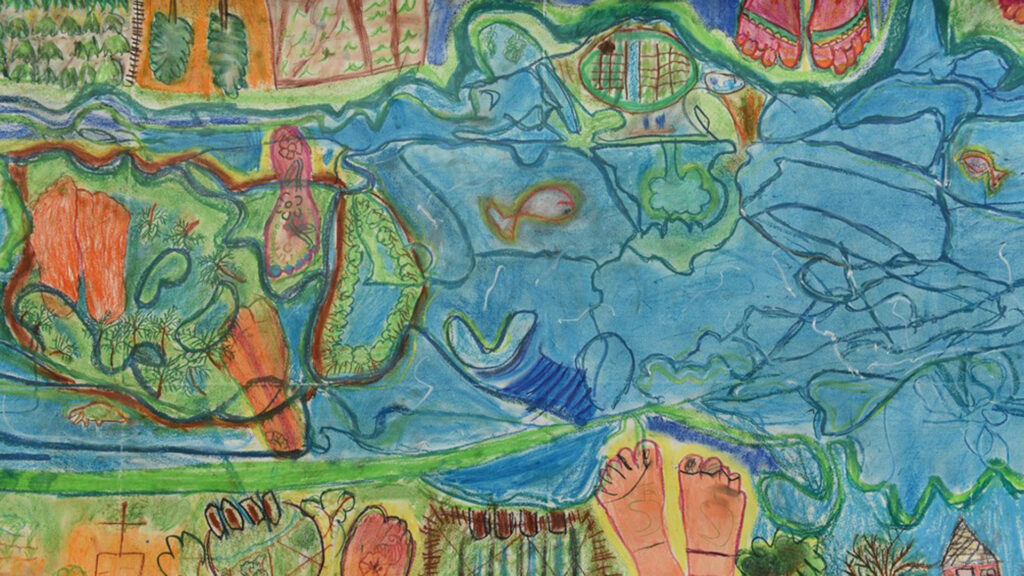
Fig. 17.13: Drawing from Nhoi: Divar Island
The richness that intergenerational work enables was a strong lesson for us. We draw upon the delight that library work affords us and recognize the limitations of spaces of formal education when we do not enable multi-age collaborations.
It may seem bold but in all three of our drawing sites, dominated more by younger participants than older, we see the built world reflected. In Kudchirem in Bicholim taluka, the participants represented the water dam that dominates the segment of the river they live upon. It was a bold symbol in the overall drawing. We also noted that spaces for play and leisure were more visible when young people were drawing, indicated by the presence of football fields, cricket pitches, areas for swimming, etc. The Tapa Bhoomi site, where we worked only with younger men, almost all of them training to be bhats (priests), resulted in a unique drawing. The location of the temple hall and the library in Kundaim, a hilly region of the state, provided a look out onto the rivers flowing. The drawing of the river was visibly marked by religious symbols; the river became a mere background to something more important to the participants at the time of their education as many of them were not born into riverine communities. Further, in the absence of an elder, the young artists drew directly from what was visible to them, so the drawing had more marks of modernity (bridges, vehicles, buildings) and the natural and cultural world was absent. When we had a more intergenerational group of participants, there was also the representation of lore and traditions.
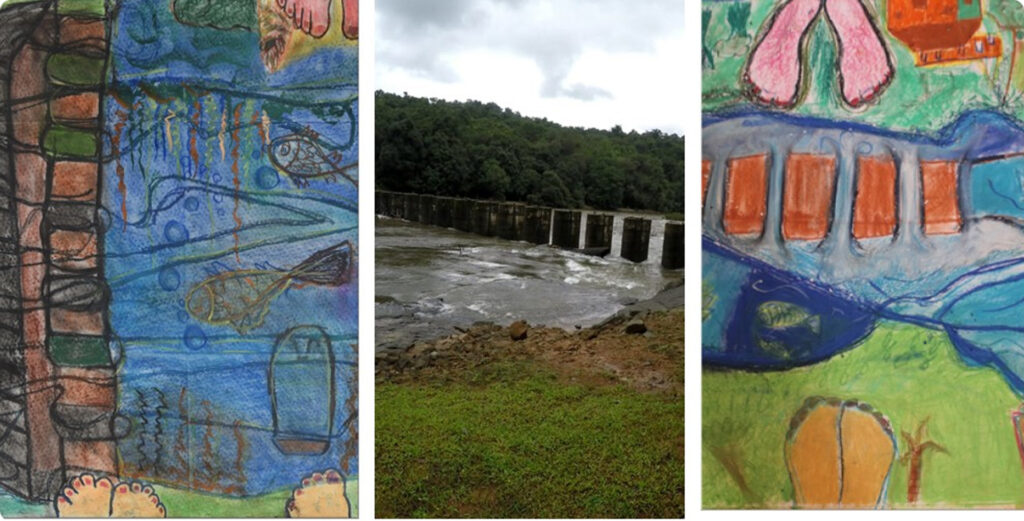
Fig. 17.14: Check dams and irrigations post from the lived context from various Nhoi workshops
Hinterland communities (Collem) ensured that the much-loved almi (mushrooms) were made visible in their drawing and also the mighty Dudhsagar waterfall.
Sandipani community (Sattari taluka) represented their age old puran sheti (farming practice) and our Volvoi community ensured that the drawing was a reminder of the duality that mining brought to their community through, representing both livelihoods generated by operating trucks and river pollution.
Vision
In the oral segments of our time with the many and varied riverine people, we heard reflective statements that denoted the “politics” of time. As groups deliberated on what they want for their river, the urgent statement was about not dividing the river up in the Ghats. In Volvoi a song was raised in protest and respect for the vision for the river, acknowledging that it was a deity and could not be spared to Karnataka. Other vision statements bordered aspects of health of the river—keeping her clean, cleaning her, not polluting her—as if these actions happen outside of community itself. We consistently heard the register of voice change in this segment. It behooves thinking about further. Has ownership and agency shifted because of the way the politics of space and river management have shifted? Has imagining the river outside of the self come about because of formal education that brings in more abstract and macro thinking without acknowledging lived realities and lore?
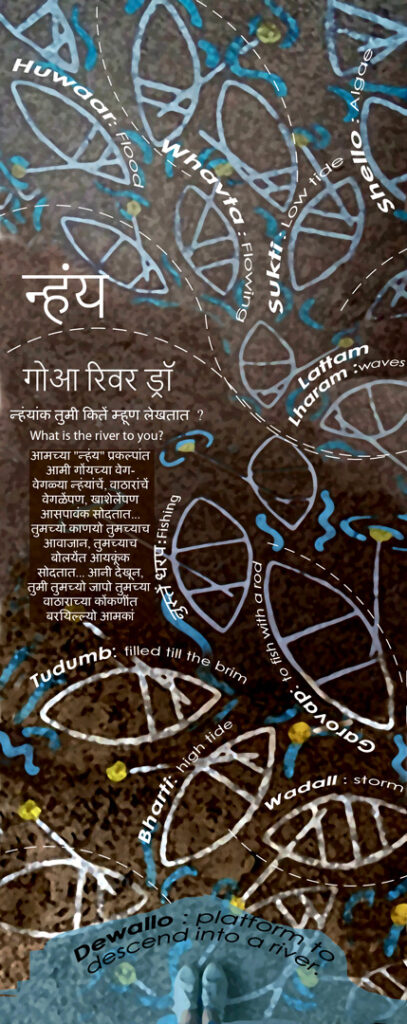
Fig. 17.15: River words in bookmarks returned to each library.
We were left with more questions in this segment as the tone of expecting a “saviour” to come in and rescue the situation or return the river to its earlier state was echoed across communities. We wonder about the deeper understanding of who constitutes the government and how a discourse on citizenship may be necessary. However, we also encountered more politically active communities who were unafraid to articulate their resistance to “development” and changing ownership of the river. It was beyond the scope of our project at the time but it is worthwhile to consider what enables activism and assertion. How can the process of education, civic society organizations, and libraries come together to strengthen community voice and agency?
Language, that most precious element of cultural reproduction, is possibly at the heart of a vision for the river. Memory sharing was replete with river words from the local context. For younger audiences, some of these were startlingly new words because our vocabulary shifts as our life and times shift. Robert Macfarlane (2015) calls these articulations “spells”—when evoking a long-forgotten word it also brings to mind a universe of knowing that had disappeared. The vision segment, on the other hand, used a number of loan words from English to articulate what the river and its management could be. And when the communities chose to showcase their vision beyond the workshops at the public arts exhibitions, they turned again to the local language and spoke from their very core. Would returning a discourse more towards the local, producing artefacts and enshrining stories in the original language be a more pertinent way to return people to their river?
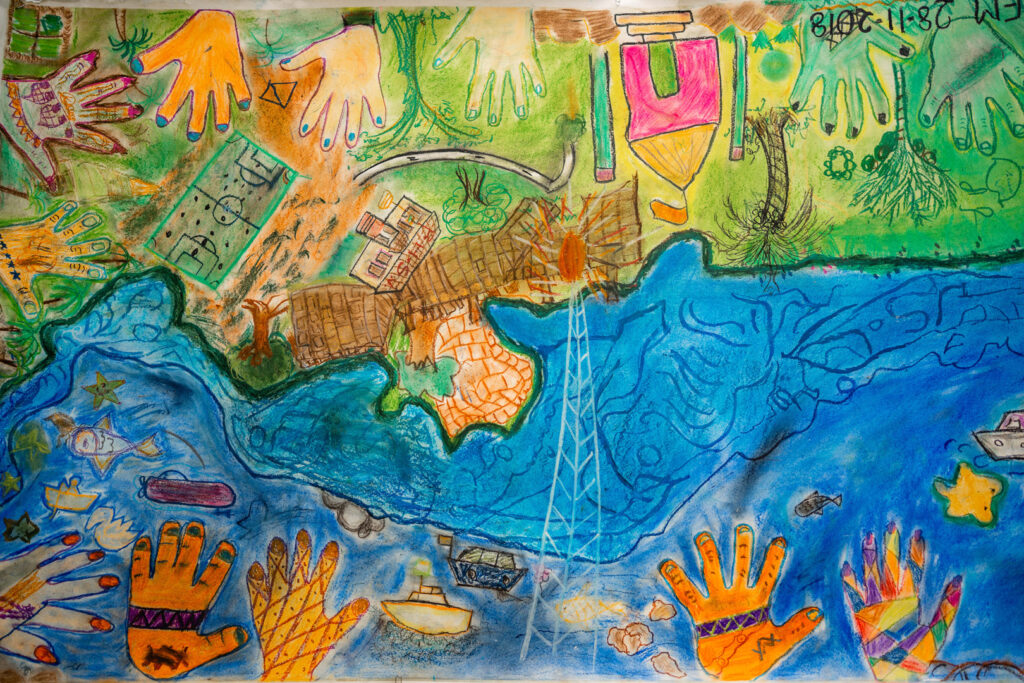
Fig. 17.16: Drawing from Nhoi: Verem village
Drawing as an Artefact (Memorialization)
The act of mark-making—drawing—writing are acts of encoding for human civilization. The Nhoi project’s participatory drawings subliminally captured this essence as a memorialization of the river. Despite hearing negative undertones or explicit frustrations around pollution, garbage management, land and river usage, sand mining, overfishing, the dangers of dredging, bridge-building, road construction, access to college being distant and fracturing… when it came to drawing, even the most strident voices aspired for an artefact of beauty. As we gaze upon all thirteen of these panels, the colours of the river and the land leap out and are resplendent in our gaze. This is possibly what it means to live in this part of the world—the greens, blues and reds talk to you as only Goa’s landscape can.
The pastel chalks enabled a layering that was maximized beautifully by many a first-time artist. The underwater world is alive with fish and crabs of many kinds and sizes and the pollution and concerns for marine life that were articulated are not evident in the drawings. While fishing practices have changed, the drawings continued to represent older, more traditional ways by young and old. When a mark was made that was not endearing—for example, showing the practice of dropping small dynamite sticks into the water to stun fish—the area around that drawing would have something beautiful to draw the eye in. All this happened organically, as people moved up and down the length of the drawing being gently reminded by facilitators to not erase or overdraw on any marks but to simply add, enhance, and detail. In two sites where persons with prior art experience and training were present, there was use of more skill and evidence of more detail but even these trained artists stepped away from “overdrawing,” knowing that they were producing something as a community.
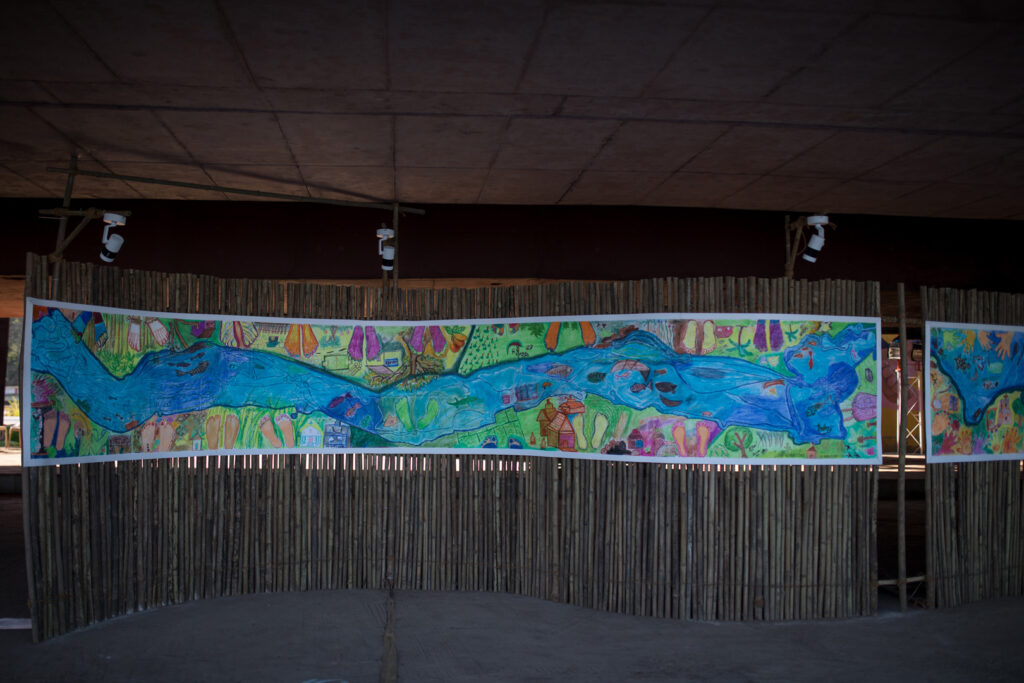
Fig. 17.17: Nhoi exhibit at Serendipity Arts Festival, 2018
The River Currents
It was the excitement and the pride in these independent drawings coupled with the strong vision to have a big draw showcase that compelled us to dream of exhibiting all thirteen drawings in one place. This exhibition was first attempted at a public arts festival in 2018 where we were assigned a space below the Patto Bridge in Panjim to showcase the project. The space and budget enabled us to select two drawings, and we exhibited these to show work from the river communities while also sharing the project in an audiovisual form, displaying the river words archived and enabling visitors to participate with a live drawing table along the river edge. The energy and feedback we garnered from this exhibition, emboldened us to pitch for a larger space and consolidation the following year.
In 2019, with the same public arts partner, we were allocated an outdoor location in a park. The open sky, bird droppings, dewy morning air and leaf foliage did not enable us to show the original works. So we transferred the art onto cloth panels and displayed the drawings as a background to a cultural celebration. Nine of our thirteen communities agreed to come into the city of Panjim to look at the exhibition and also to tell their story of the river through the arts. Some travelled for up to two hours one way, a long distance in a small geography. There was an outpouring of original plays, songs and dramatic tellings as well as a beautifully orchestrated set of folk dances inspired by the river. We were so proud of this evening, but the participating communities had mixed feelings. “Where are the Ministers?” they asked. “We came all the way, and they did not even come to listen to us?” Others were immensely excited by the public showcase, the ability to see other drawings and interact with other communities and to be at a public arts festival. We noted that the footfall to the exhibition was limited to a particular audience, most of whom were not local and all of whom gazed at the drawings in a detached way while admiring the artwork and the scale of the project. It left us determined to try again. Our communities needed to be heard by local people as well. We felt that there was a need to also exhibit the original art-works because they speak more than ever, appearing to have an energy that the riverine people transferred onto paper.
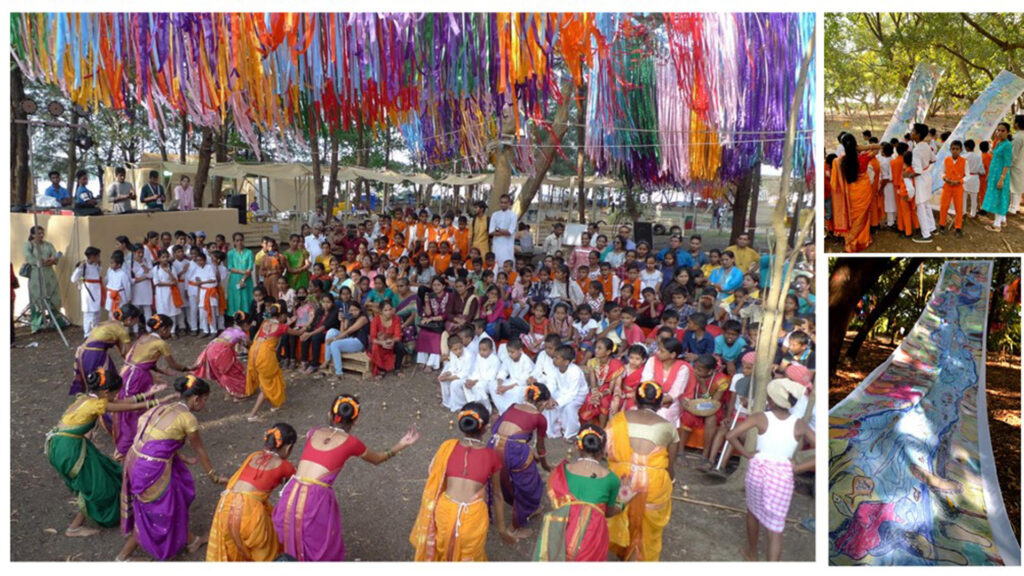
Fig. 17.18: Nhoi community performance at Serendipity Arts Festival, 2019
In 2022, we partnered again with the Department of Art and Culture, Government of Goa, and drew on yet another exhibition design that enabled showcasing all the artwork, the process and story and artefacts we had developed through this project. Because of the location—a public park in Panjim City—the duration of the exhibition, the partnership and our own communities’ network, we welcomed a significant local footfall, comments, and media coverage as well as some visibility that made us all feel satisfied. We felt we had honoured our participants and made a small mark along the life of the nhoi.
In early 2024, original artworks were carried back into some of the communities for a fresh set of audiences to look upon what they had accomplished together. In every community, the team was welcomed like a returning family member and there was a mix of delight, remembering, and continuing to pass on what had transpired.
In one specific library in Khandepar—the Lokmanya Village Library—a docu-drawing project on riparian plants continues. Children have identified, observed, drawn and labelled a small number of indigenous riparian plants, adding to botanical knowledge and a growing awareness of the shifting of life along the river with rapid changes. The riparian plant coverage appears to be colonized by invasive species and provided the young researchers with yet another opportunity for reflection on change over time. This work is now available in the form of a library module to be shared with other libraries/school spaces along the river.
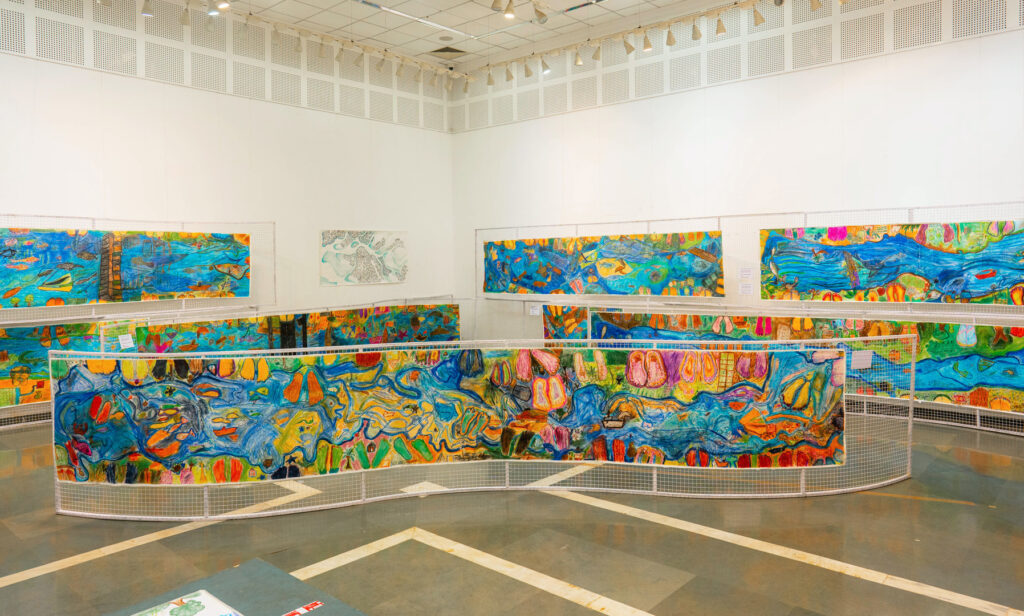
Fig. 17.19: Nhoi Exhibition at Goa State Central Library, 2022
As Community Art Practitioners
“Nhoi was, and continues to be, a participatory artwork and concern. I’d also say though, that in each location the team benefited hugely from a sense of community and the shared knowledge of their locale and history. This community feeling fed into the artwork in subtle ways, but Nhoi is not a community-artwork in the more familiar sense. We took it away to feed into a larger expression and of course, each drawing illustrated a larger concept than that community’s (bit of) river” said Liz Kemp, an artist and community arts educator on Project Nhoi.
As a Holding Organization
The Nhoi project holds a place of immense pride in our landscape of work and reach. It enabled library outreach where we had never been before and stretched our imagination and purpose to the edge in ways that expanded our vision and work. We grew stronger from the continued skill practice that occurred and grew in depth and knowledge about the nhoi in ways we would not have done without this project. It brought us in touch with people, reminding us about making space in this Post-Information Age for ways of knowing that belong to unheard voices. The Nhoi project reminded us about the strength that comes from collaborative practice and how in making space for others to grow, we grow ourselves. It enabled us to ideate and design resources for future generations that we hope to populate into libraries in the years to come.
As people who breathe with the river:
As a young person, what I saw in my house was my mother and father, what I saw outside was the river!
As an older person, what I see in my house is my parents aging, what I see outside is a river drying up.
I know that death is near.
We must do something to save the river, that we can save!
Komal, 40+ years, participant.
The River Flows. . .
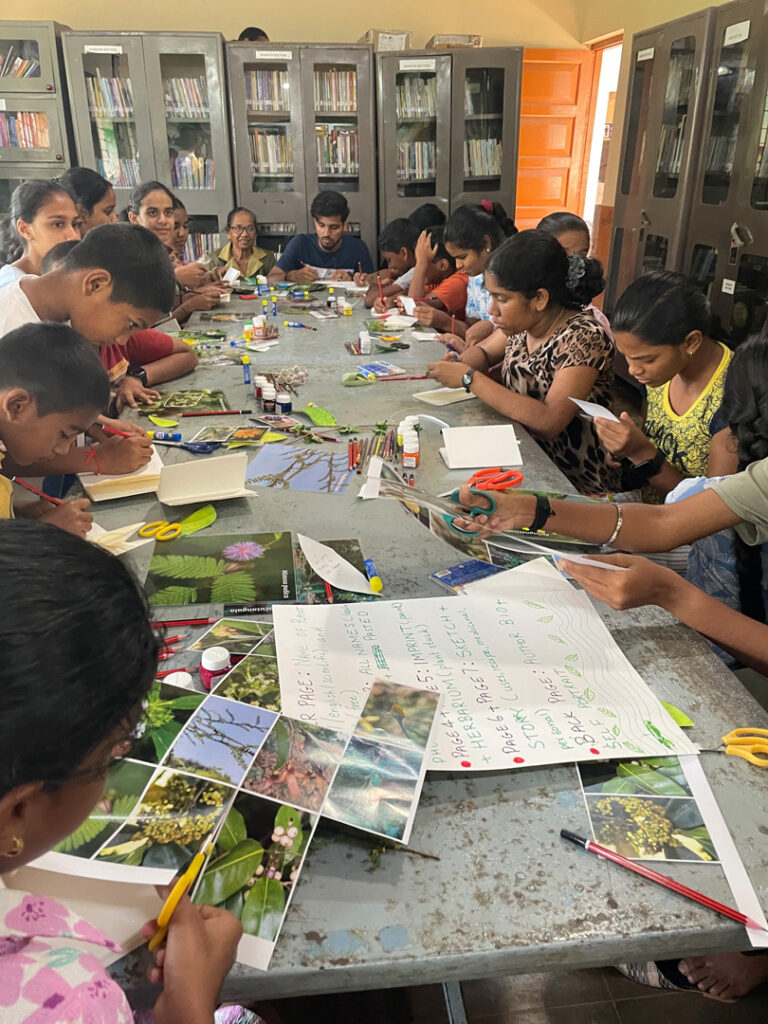
Fig. 17.20: Nhoi riparian plants project at Lokmanya village library, Khandepar
References
Freire, Paulo. 1970. Pedagogy of the Oppressed. New York: Seabury Press.
hooks, bell. 2003. Teaching Community: A Pedagogy of Hope. New York: Routledge. Macfarlane, Robert. 2015. Landmarks. London: Penguin Books.
Spivak, Gayatri Chakravorty. 1994. “Can the Subaltern Speak?” In Colonial Discourse and Postcolonial Theory: A Reader, edited by Patrick Williams and Laura Chrisman, 66–111. New York: Columbia University Press.
All data and image credits @bookwormgoa @nhoi
Author Profile
Sujata Noronha is an educator specializing in early literacy and enjoys working with children and books. She is deeply interested in the power of the printed word and the pathways to access and growth emerging from it. In Goa, she works out of her organization called Bookworm, that provides resources and facilitates libraries and reading within the community of Panjim and in schools around the state. She consults with the Tata Trusts within the education portfolio.