Chapter: 11
Freshwater Fish Diversity in the Mhadei River in Goa
Vidyadhar Atkore and Nandini Velho
Abstract
Freshwater ecosystems are extraordinarily rich in biodiversity. Rivers and wetlands in tropical regions harbour incredibly diverse fish populations, particularly the river Mhadei. Home to more than 48 species in its different habitats, it provides an important source of livelihood to fishers along its course. Despite numerous anthropogenic threats, it sustains some rare migratory and highly threatened fish fauna. To preserve its native fish fauna, it is important to preserve and protect the river for future generations. This chapter offers a survey of endemic fish species in the Mhadei, enumerates the major human-driven threats to fish populations, and emphasizes the importance of longterm, multi-seasonal studies on the fish populations of the Mhadei in understanding how best to preserve the river’s different habitats and the biodiversity they sustain.
Freshwater Biodiversity: A Background
DESPITE making up less than one percent of the planet’s surface, freshwater is essential to life. Freshwater ecosystems support a staggering variety of species despite their small size. They are home to more than 51 percent of all known fish species, and it is yet unknown how many invertebrate species they actually support (Tickner et al. 2020). Freshwater biodiversity is the term used to describe this abundant diversity of life. Freshwater biodiversity thrives in tropical places, especially in Asia and the Neotropics (a region that includes South and Central America and the Caribbean.) Moreover, 30 percent of the world’s freshwater fish species exist in Southeast Asia alone, where 5,645 species are found (Froese and Pauly 2022). Since many of these species are endemic—that is, limited to particular geographic regions—they are at particular risk of going extinct (Patricio et al. 2023). The anthropogenic threats are serious: according to the WWF’s World’s Forgotten Fishes report (Hughes 2021), freshwater megafish (fish that reach adult weights of 30 kg or more) populations have fallen by 94 percent since 1970, while migratory freshwater fish populations have decreased by 76 percent.
Freshwater fish are remarkably diverse in terms of body size, mouthparts, fin forms, colour, feeding habits, behaviour, and reproduction techniques (Matthews 1998). They are both economically significant, serving as the main source of protein for more than 200 million people worldwide, and environmentally vital, aiding in the cycling of nutrients and food webs (Lynch et al. 2016; FAO 2022). Freshwater fisheries are worth about US $38 billion a year and indigenous communities throughout the tropics rely significantly on these resources (Lynch et al. 2016; Hughes 2021). Significant fish species richness can be found in the Western Ghats and the Himalayas, especially in streams of intermediate order and at mid-elevation ranges between 12 and 760 metres. The building of barriers, pollution from industrial and agricultural processes, sand mining, and the introduction of invasive fish species are just a few of the anthropogenic disturbances with which these ecosystems contend (Bhat 2004; Abraham and Kelkar 2012; Atkore 2017). The ecological equilibrium is seriously threatened by these forces, which result in habitat degradation and a decline in native biodiversity.
Despite the ecological importance of these areas, we do not have adequate basin-wide, multi-spatial-scale methods for thoroughly researching and managing freshwater ecosystems. To create effective conservation policies that factor in the interdependence of environmental factors and human impact across various spatial scales, it is imperative that this gap be filled.
The Mhadei River: A Biodiversity Hotspot Under Threat
325 species of freshwater fish, of which 223 are endemic species (as compared to all the vertebrates found in the Western Ghats, fish as a taxonomic group has the highest endemism), can be found in India’s Western Ghats, one of the world’s most densely inhabited biodiversity hotspots (Shukla et al. n.d.; Molur et al. 2011). An essential component of this hotspot is the Mhadei river sub-basin, which comprises salt, brackish and freshwater components. This work focuses primarily on freshwater fauna and its habitat. The Mhadei river sub-basin has an elevation range of 10 to 760 metres and receives 3,500 mm of rainfall on average each year. The Strahler stream ordering system is used to classify streams based on their position in the land-scape. A stream that starts in the mountains and has no branches is called a first-order stream. When two streams of the same order join, they form a stream of the next higher order—for example, two first-order streams form a second-order stream. This system is commonly used to describe stream networks in river basins. In total, twelve streams of different orders (from 1 to 7) make up the Mhadei river’s ecosystem, which includes various habitats like riffles, pools, runs, and cascades. Of the seven stream orders in the Mhadei sub-basins, the third to fifth stream orders are considered the intermediate stream orders with particularly rich fish biodiversity. The Mhadei river is still poorly understood despite its ecological significance, which is indicative of a larger global research vacuum in freshwater biodiversity.
The Mhadei river’s course from Kankumbi in Karnataka to Vagrem or Waghurme in Goa is 53 km (excluding its downstream portions) and forms the subject of this study (see Fig. 11.1). The goal for this chapter is to uncover and document the fish diversity in this region, with a particular emphasis on identifying native and endemic species, a task that was largely conducted between 2011 and 2014. By fusing scientific data with anecdotal reports and field observations, the study yielded a clear and thorough picture of the biodiversity of the river, threatened in part by the large-scale infrastructure projects and resource extraction activities in Goa, which have significantly impacted the state’s rivers and their tributaries. Riparian forests, essential for stabilizing riverbanks and maintaining ecological health, have been cleared to make way for oil palm plantations at Savardem in Valpoi taluka. These activities, coupled with water extraction from several streams like Ragada (Dharbandora taluka), Kotrachi nadi (Sattari taluka), and Dudhsagar (Sanguem taluka), have contributed to soil erosion, sedimentation, and a reduction in water availability for aquatic ecosystems. Additionally, the construction of barrages at Khadaki (Sattari taluka) and Naneli (Sanguem taluka) has further disrupted the rivers’ natural flow and fragmented habitats, limiting the migration of species to breeding or feeding grounds. This degradation predates the diversion controversy between Karnataka and Goa, highlighting how the decisions of Goa’s government can also be seen as contributing to the degradation of the Mhadei river system, independent of the influence of inter-state politics with Karnataka and Maharashtra. This is evident in what the state government has permitted. The effective monitoring of rivers has never been a priority of these states till date, which contributes to the difficulty of conserving riverine biodiversity.
Plans to divert water have also threatened the Mhadei river. The loss of water is likely to impact the river’s flow in Goa. Proposals to reroute its headwater streams to the Malaprabha river in Karnataka have sparked both popular uprisings as well as legal actions since 2011. These voices echo global concerns. Across the world, movements to remove dams and restore freeflowing rivers are gaining traction. The opposition from the people cannot be viewed solely as mere antidam sentiment. In the case of Goa, it is a pro-Goa stance, driven by the concern that the loss of water will severely impact the river’s flow and the identity of the state.
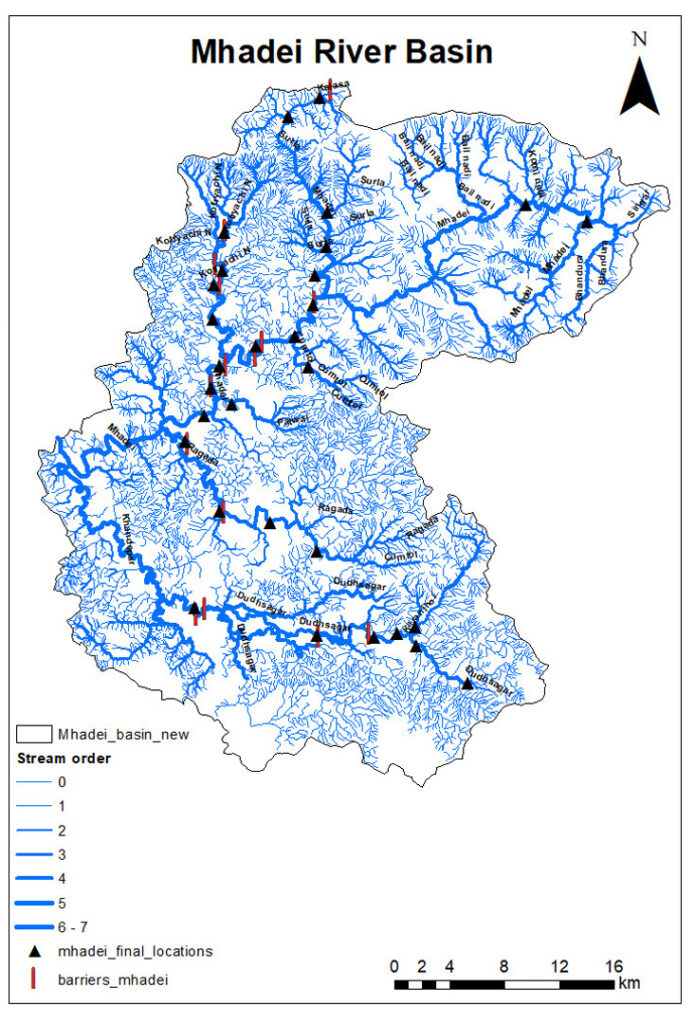
Figure 11.1: The Mhadei sub-basin showing the sampling sites along with the barriers. The river traces its origin from different locations. The distance between Kankumbi (northern side) to Waghurme (western side) was approx 53 km and from Nerse to Waghurme was 70 km.
Field trips undertaken to Kankumbi village revealed significant environmental deterioration in the headwaters of the Mhadei. Streams have become disconnected and channels have become muddled due to sediment loading. The locations of the proposed dams indicate additional ecological damage (Appendix 11.1). The problem has been made worse by construction waste, which introduces excess debris and sediment. These have changed the river’s flow and chemical makeup while suffocating nearby stream habitats. These disturbances, along with the effects of plantations, barrages, and water extraction, cast doubt on the long-term viability of aquatic species in the area and highlight the pressing need for sustainable conservation strategies that align well with the micro-planning by the government and long-term monitoring studies in the near future.
Unveiling the Rich Fish Fauna of the Mhadei River
With its exceptional variety and conspicuous lack of invasive species, the Mhadei river serves as an essential refuge for native fish species. It has 48 species, both common and unusual, in eight orders and twelve families (Atkore 2017). These include two vulnerable species, including the pufferfish Carinotetraodon travancoricus, one endangered species, the Curmuca barb (Hypselobarbus curmuca) and the migratory Deccan mahseer (Tor khudree), which is currently a least-concern species (Appendix 11.2). The survey also found four species that the International Union for Conservation of Nature (IUCN) has designated as Data Deficient, highlighting the need for more investigation and preservation.
Over 250 individual fish from two to three species were found in a survey conducted even in a stagnant pool that local women use to wash their clothing and kitchenware. The Boopis razorbelly minnow (Salmostoma boopis), Malabar danio (Devario malabaricus), and slender rasbora (Rasbora daniconius) were among the species found in this abundant microcosm of life, demonstrating their resilience to the changing water quality.
The indigenous Goan species Narayan’s barb (Pethia narayani) is a prime example of the ecological diversity of the Mhadei river. Initially identified by researchers from the Bombay Natural History Society in the 1980s, this diminutive fish is distinguished by eye-catching red and black stripes along the length of its body. It grows best in clear, shallow streams with flowing water and foliage that hangs over the edge. The river’s ecological significance is further highlighted by the fact that it is home to other rare species, such as the Ompok goae (an extremely rare catfish), the dwarf snakehead (Channa gachua), and Goa’s state fish—the striped grey mullet (Mugil cephalus).
Fish in the Mhadei river have different feeding habits. Some like Channa and Ompok eat other fish (carnivores); some like Garra and Hypselobarbus feed on plants (herbivores); others like Devario, Rasbora, and Pethia eat insects (insectivores); and some like Schistura and Paracanthocobitis feed on dead organic matter (detritivores). These different diets show how fish have adapted to the river’s changing environment—from mountains to plains, with many types of habitats. By using different food sources and spaces, or feeding at different times, these different fish species reduce competition among one another and are able to live together in the same river for several generations. Any slight alteration to these environments would mean the loss of such long-term established evolutionary adaptations in the Mhadei.
Larger piscivorous species that feed on smaller fish, including the snakehead (Channa spp.), are also found in the Mhadei river. The capture of a gigantic great snakehead (Channa marulius), which was too big to fit comfortably in both hands, was one of the most memorable field observations. Snakeheads are hardy fish equipped with specialized breathing adaptations that allow survival in waters with low dissolved oxygen (<5 mg/l).
Sharing these pristine waters is another remarkable species, the freshwater pipefish (Microphisspp.), a relative of the seahorse from the Syngnathinae family, found in an undisturbed stream flowing in the Bhagvan Mahavir Wildlife Sanctuary and National Park, Mollem. Male pipefish exhibit a rare form of parental care by carrying their offspring in a pouch, similar to kangaroos. Such behaviours are exceedingly uncommon in freshwater habitats, emphasizing the ecological uniqueness of these streams. Collectively, these species highlight how crucial it is to preserve the sanctuary’s waters and abundant biodiversity. As we shall see next, a flowing river is also essential to the process of fish migration.
The Deccan mahseer (Tor khudree), also known as khadas, is a huge migratory fish that may grow over a metre in length and weigh up to 50 kg. It is one of the river’s most recognizable inhabitants. This species is a blessing to Goan waters but is highly sensitive to human disturbances, especially stream alterations. The golden mahseer (Tor putitora)—another huge species of mahseer (maximum length 275 cm, maximum weight 54 kg), which is found all along the Himalayas—usually travels two to three times a year in free-flowing, undisturbed rivers for wintering, breeding, and feeding (Johnsingh et al. 2006; Nautiyal et al 2014; Froese and Pauly 2024). For spawning, adult females look for shallow environments with high dissolved oxygen (> 6 mg/l), clear water, a variety of stream sediments, and canopy cover—vital requirements for fish fry. Females move upstream during the monsoon season to deposit their eggs on submerged substrates. A typical reproductive strategy used by many fish species is external fertilization of the eggs by the male.
The young, known as fries, are left unprotected after hatching. When they are fingerlings, they live inside pools with little flow and eat aquatic insects. In shallow waters, these fingerlings are frequently observed in big groups of about a hundred. Adult mahseers and several migratory riverine species such as Hypselobarbus, and Ostiochilichthys salmostoma need unbroken riverine connectivity between upstream and downstream habitats for effective spawning, highlighting the need to preserve the Mhadei’s natural flow.
Connectivity Lost: The Ripple Effects of Dams on Mhadei’s Biodiversity
The aquatic ecology of the Mhadei river is evidence of the exceptional biodiversity seen in freshwater settings in India. Its diverse range of life is nevertheless subject to human-caused stress, which has a significant impact on fish population, diversity, and the general health of the ecosystem. Fish population trends show a distinct decrease in richness and abundance with increasing distance from dams, highlighting the ecological effects of such structures on a spatial scale (Atkore 2017). The Deccan mahseer, a keystone migratory fish that is essential to the biological uniqueness of many Indian rivers, is one of the species affected by these effects, which extend beyond the loss of biodiversity in general. The mahseer’s ability to travel upstream to reproduce, feed, or overwinter is hampered by dams, which break up natural river connectivity.
In many rivers, including the Mhadei, hill streams and tributaries have been dammed or their water diverted for human use, resulting in the loss of essential connectivity. Adult female mahseers, which carry eggs at the onset of the monsoon, face uncertainty. Can they find suitable spawning habitats upstream or in relatively undisturbed areas? The answer is both yes and no. While some protected areas, such as the Bhagwan Mahavir Wildlife Sanctuary and National Park, offer refuge for river biodiversity, allowing mahseer to migrate and spawn in certain upstream sections, other areas remain fragmented and less hospitable. The spawning of mahseer or other migratory species could be hampered in regions outside of protected zones or in streams that have been dammed. The streams of Thane, Ragada, and the main-channel Mhadei have all been dammed in various locations.
For all stream ecologists, a recent study in Bhutan’s Manas River was eye-opening. A team of American and Bhutanese scientists worked together on a research project to understand mahseer migration (Fisheries Conservation Foundation, 2019). Two species of mahseer, the chocolate mahseer
(Neolissochilus hexagonolepis) and the golden mahseer (Tor putitora), were successfully tagged by experts. These mahseers, which inhabit torrential Himalayan streams, are well-known for their sporting ability. Among the tagged fishes, experts found that some of them were able migrate up to a distance of 100 km within a river. Some individuals did not switch their migratory route from a tributary to another adjoining tributary but used the same tributary, thereby demonstrating strong site fidelity (homing behaviour) year after year. And some tagged individuals were observed waiting just below the dam to find any suitable passage for migration but could not migrate due to such impediments.
What can we learn from these lessons? Any river barriers either small or large affect fish biology, their feeding, migration, and well-being. We frequently observe grizzly bears feeding on salmon along specific migration paths. In order to provide room for these long-distance migratory species to spawn, dams are currently being removed throughout the developed world.1
What is the situation in India in this respect? Contrary to the aforementioned trend of dam removal, we continue to construct dams of all sizes and rank among the world’s most damned countries. We have forgotten that the majority of India’s dams are very old and need special care to be removed. Most of these dams have accumulated tonnes of sediments in their reservoirs, which in turn affects their functioning. The dam-led backwater adds another layer of misery to freshwater biodiversity. These stagnant waters, also known as impoundments, are often used by fisheries departments for the routine release of non-native or exotic fish species to boost fish production. However, the extent of damage caused by these non-native species is beyond our imagination. Studies conducted elsewhere have shown that non-native fish species compete with native species for essential resources such as food and space. In a short time, they can outcompete native species, leading to biotic homogenization—a scenario where one or two dominant species monopolize the available resources and crowd out native species, drastically reducing biodiversity.
In Goa we know certain headwater species, such as Bhavania and Schistura, thrive in pristine environments but vanish entirely in disturbed areas. Their absence in altered habitats underscores the critical importance of preserving undisturbed headwater environments. These areas act as irreplaceable reservoirs of biodiversity and are essential for the survival of sensitive and endemic species. To maintain this delicate balance, it is imperative to protect headwater habitats.
Further complicating the situation are variations in body-size distributions of fish across upstream and downstream regions and between years, which highlight the complex ecological shifts caused by dams and human disturbances. These changes emphasize the urgency of conducting long-term, multi-seasonal studies to fully understand the cascading effects of anthropogenic pressures on fish communities.
Adding to these pressures is the shift in fishing practices. Traditional methods like cast nets, which required precision and skill, have largely been superseded by nylon gillnets, leading to indiscriminate overfishing that captures large body-size fish as well as juveniles and disrupts population dynamics. This shift has significantly strained fish populations, threatening the long-term sustainability of biodiversity in rivers like the Mhadei.
A Final Word: Restoring the Flow
The story of the Mhadei river is ultimately one of richness and fragility. Besides investigating the effects of dams on fish, it is crucial to understand how inter-river basin transfer schemes influence riverine fish diversity between the Mhadei and Malaprabha rivers. These two rivers share the same headwater region, located in Khanapur taluka of Belgaum district in Karnataka. Interestingly, two to three headwater streams of the Mhadei also originate from this region. The government of Karnataka proposed diverting water from these headwater tributaries of the Mhadei to the Malaprabha. Although the Honourable Supreme Court issued a stay on this inter-basin transfer scheme, the government of Karnataka continued to construct the irrigation canal.
During a visit to the headwater region, the lead author observed severe destruction of the headwater streams, with only a few relatively undisturbed areas remaining, such as Kongla, Kotni, and Nerse. Proposed dam locations were marked with paint at several sites. Trucks were actively transporting tons of soil from the canal, and large heaps of soil were piled along the roadsides. A stream that once flowed westwards to meet the Malaprabha beyond Kankumbi village was filled with mud, sediment, and boulders, showing little to no signs of flowing water. On the Mhadei side, streams like the Kalasa and Bhandura were still flowing, but their flow had become intermittent (see Appendix 11.1).
Upon sampling various sites in the headwater region and downstream, the analysis revealed worrying results. Headwater specialist species like the Western Ghats loach Bhavania australis. and Schistura sp. were absent in heavily disturbed areas. In contrast, at a similar elevation (780 metres) on the relatively undisturbed Mhadei side, a substantial number of Bhavania sp. were found (Atkore 2017). This finding strongly indicates that in order to conserve endemic fish species, headwater habitats should be preserved rather than destroyed.
On the other hand, the Malaprabha river fish community was largely dominated by weedy or widely adapted species; this was primarily due to its connection to the Renuka Sagara dam situated approximately 40 km downstream of the river in Belgaum district (This dam would have facilitated the weedy fishes to the main channel of the Malaprabha). This river was highly altered throughout its length, starting right from the headwaters, i.e., from Kankumbi to Asoga, in the plain near Khanapur town. Human alteration took the form of check-dams, washing clothes vehicles, and the release of domestic as well as agriculture sewage into the main channel and its tributaries. These check-dams not only hindered the fish migration but also negatively influenced several endemic and highly threatened fish species found in the river, such as the Krishna barb or Hypselobarbus dobsoni (Data Deficient), Nilgiri barb or H. dubious (Endangered), Red canarese barb or thomasi, Curmuca barb or H. curmuca (Endangered), Butter catfish or Ompok bimaculatus (Near Threatened), and Goan catfish or O. malabaricus (Least Concern).
The results from the Mhadei river highlight the effects of dams on river ecosystems by showing that fish populations decrease in diversity and abundance as one gets farther away from them (Atkore 2017). The importance of examining rivers throughout a number of seasons and years is demonstrated by the variations in fish size and health between upstream and downstream locations (Atkore 2017). Unsurprisingly, a wider range of fish species are found in places with less disturbance, indicating that uncommon and endangered species are particularly vulnerable to changes in their environment. This demonstrates that in order to comprehend the long-term effects of these pressures on fish populations, more thorough long-term research is required.
Focusing on fish species and their habitats, “A Brighter Future for Freshwater Fishes: Emergency Recovery Plan for Freshwater Biodiversity” is a call to action for the preservation and restoration of freshwater ecosystems around the world (Tickner et al, 2020). The report urges us to remove outdated dams, preserve free-flowing rivers, and allow rivers to flow more naturally. It is very evident that the Mhadei must flow.
Every river basin has its own similarities or distinctness. The dwarf puffer fish Carinotetradon travancoricus (Vulnerable) and the banded leopard blowfish Arothron leopardus or Tetraodon leopardus (Data Deficient) were found only in the Mhadei and no other river basins. In terms of similarity, many fish species that are found in the west-flowing Mhadei are similar to other west flowing rivers, such as the Aghanashini and Sharavati in Karnataka. The estuarine zones in all these river basins are home to the shevtto or the flathead grey mullet Mugil cephalus and the clown goby or Sicyopterus griseus. Confined to the freshwater zones of these river basins are the freshwater garfish Xenentodon cancila, the Boopis razorbelly minnow Salmostoma boopis, the stone sucker Garra mullya, the great snakehead Channa marulius, the Deccan mahseer Tor khudree, Jerdon’s carp Hypselobarbus jerdoni, and the dwarf puffer fish Carinoterodon travancoricus. The ecological function played by these native fish demonstrates that the existing ecological balance has not been damaged by introduced species as yet. Nevertheless, they are not free from other anthropogenic threats such as dam construction, pollution, water diversion and substrate mining. Fish not only serve as one of the cheapest protein sources for local communities all across the tropics but also provide an important source of livelihood to millions of fisher folk. For example, the Mola carplet Amblyphraungdon mola, a fish belonging to the family Danionidae that is native to the Krishna river basin, is known to prevent malnutrition among the children and women due to its high nutritional value. The fish is an excellent source of micronutrients such as iron, zinc, calcium, vitamin A, and vitamin B12, as well as fatty acids and animal protein (ICSF2015). The nutritional value of small indigenous fish of this kind needs to be explored for other species in the future.The Western Ghats, a World Heritage site, harbours rich and highly diverse aquatic life forms in its water bodies. It is up to us to take care of this natural heritage for future generations to enjoy.
Acknowledgements
We sincerely thank Shri Debendra Dalai (IFS), Shri Paresh Naik, Shri Paresh Parab of the Forest Department of Goa, Mr. Suresh Babu of the Water Resource Department of Goa, BITS Goa, Dr. Jagdish Krishnaswamy, Dr. Peter de Souza, Dr. Solano Da Silva, and Dr. Madhura Niphadkar for their support and useful discussion. We sincerely thank Appasaheb for assisting us in the field. We also extend our thanks to Shri Rohit Gaokar, Shri Bhai Kotkar, and Swapnil Panchwadkar for their unconditional support during the study.
Appendix 11.1: Proposed Mhadei River Basin Dam Locations
Photo credits: Vidyadhar Atkore unless otherwise mentioned
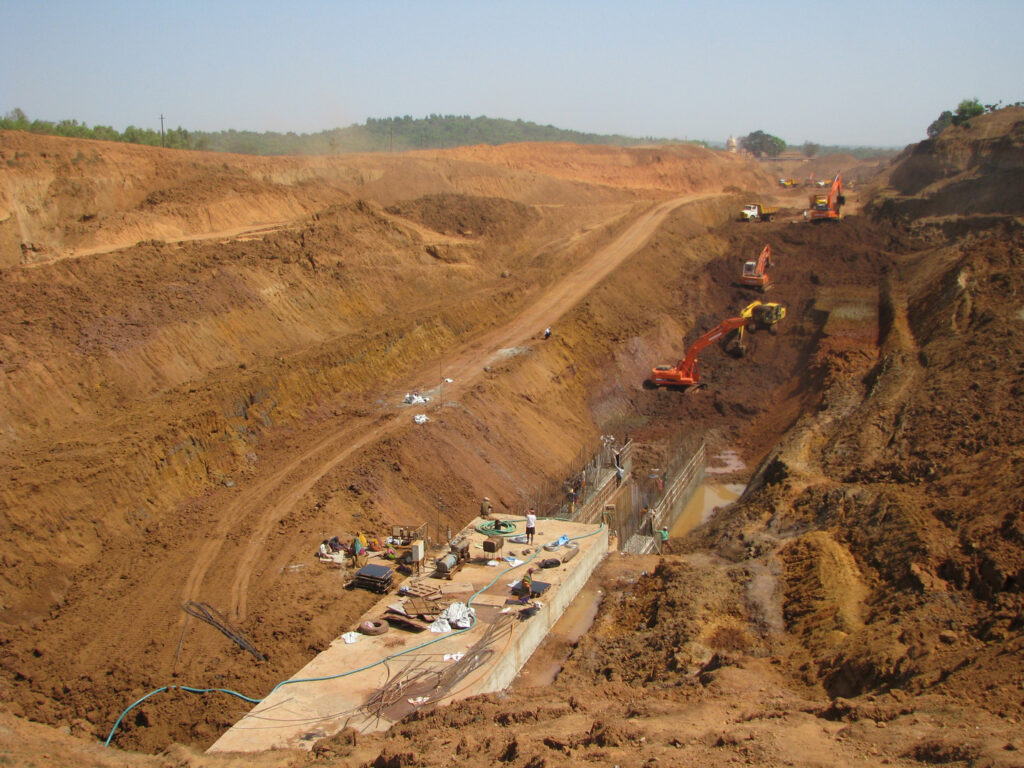
Fig. 11. 2: An Inter-basin irrigation canal being dug at Kankumbi village, headwater region of Mhadei in Karnataka state
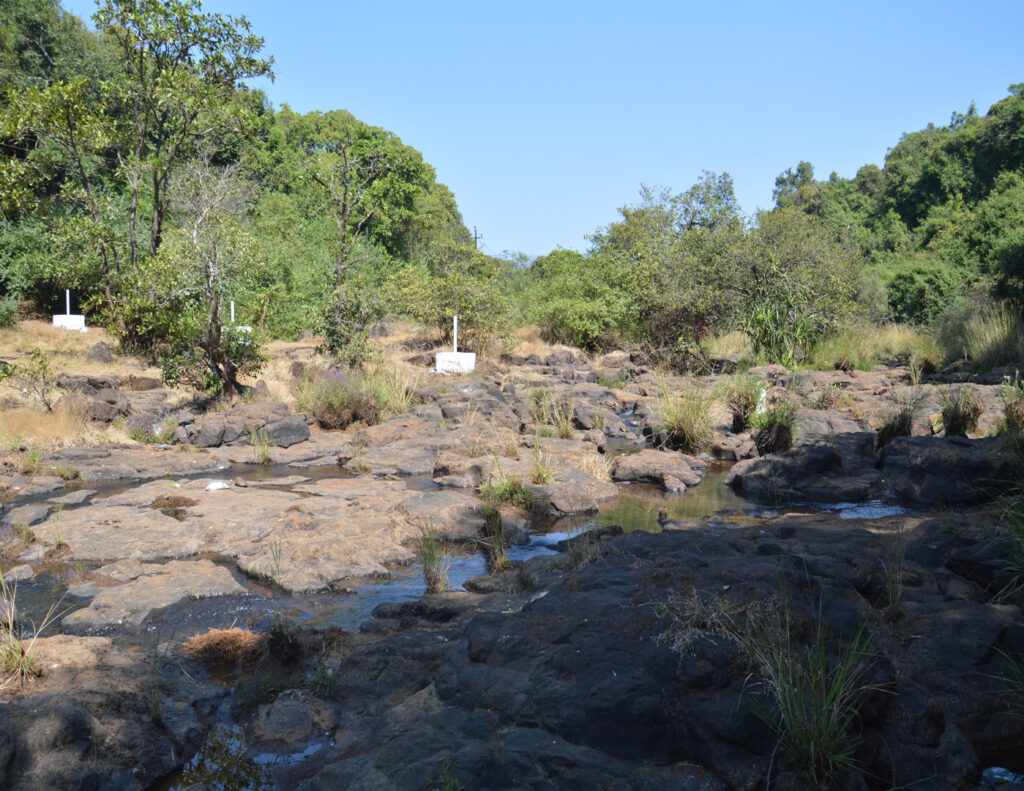
Fig. 11.3: Kalasa stream downstream of irrigation canal leading to disconnected habitat. Haltara dam is proposed here.
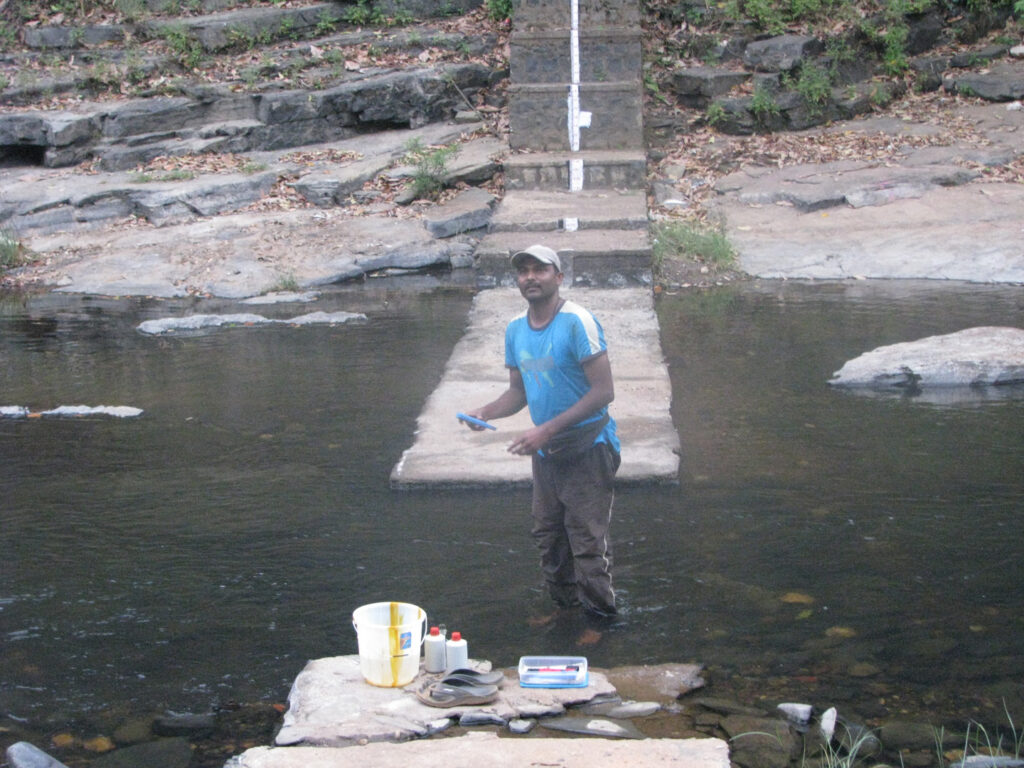
Fig. 11.4: Bail nadi—another headwater stream of Mhadei. This is another proposed dam site.
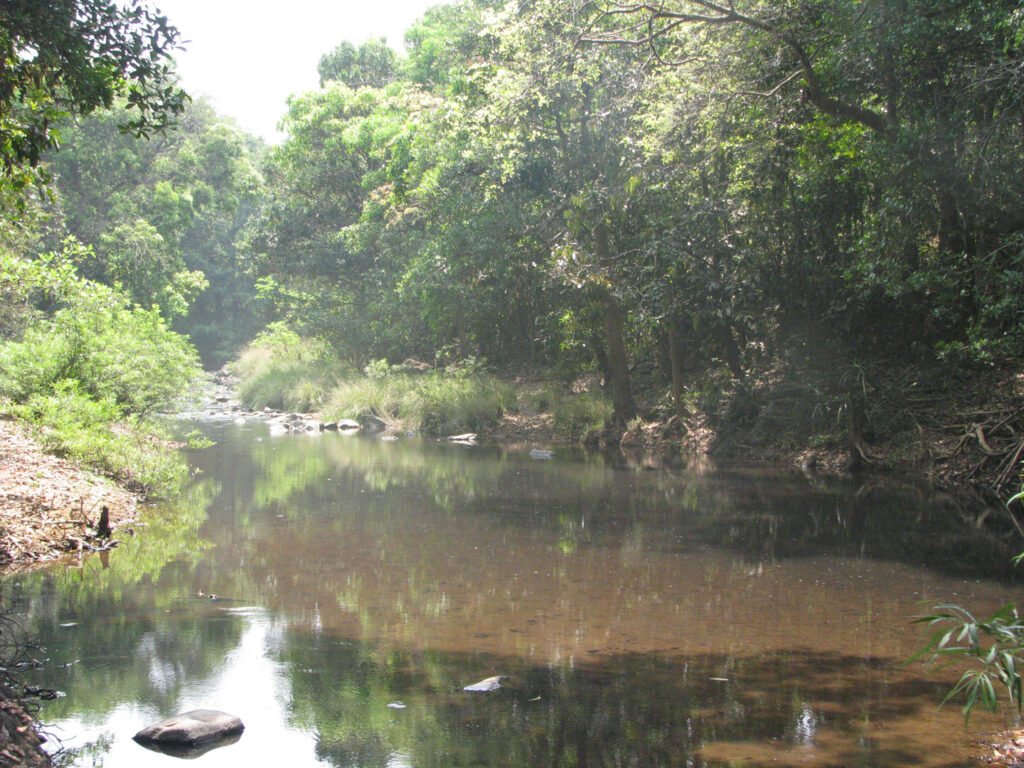
Fig. 11.5: Bhandura stream near Kongla-Nerse village where Bhandura dam is proposed
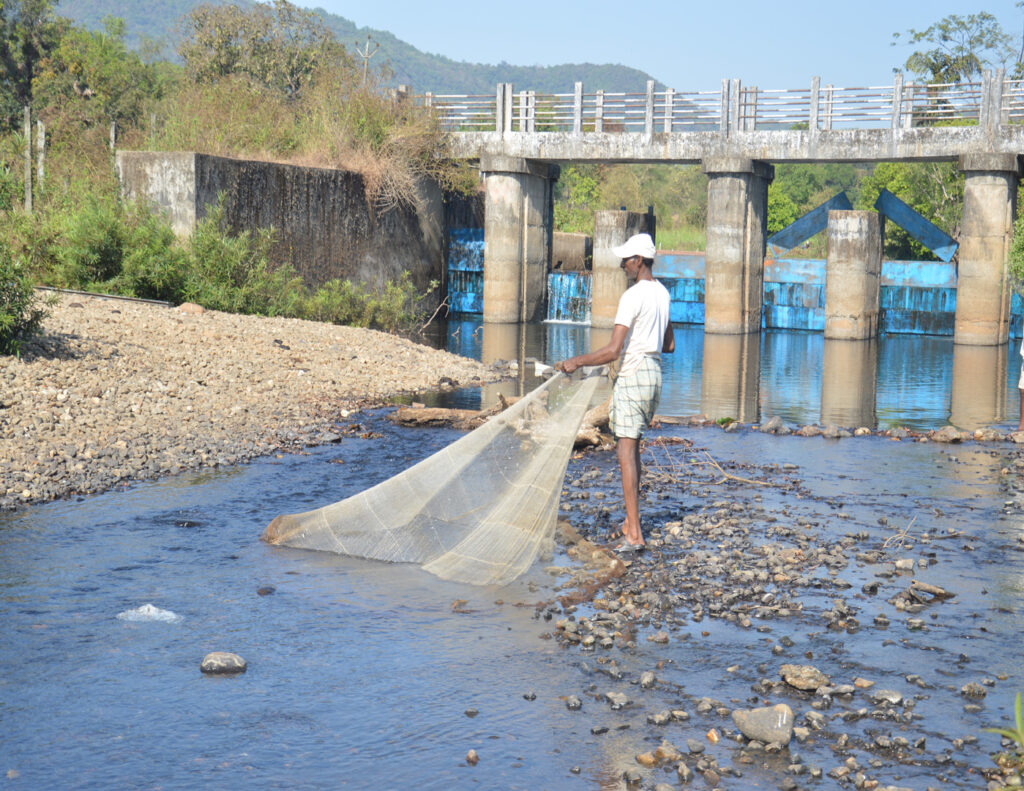
Fig. 11.6: A barrage on Thane stream in the Mhadei
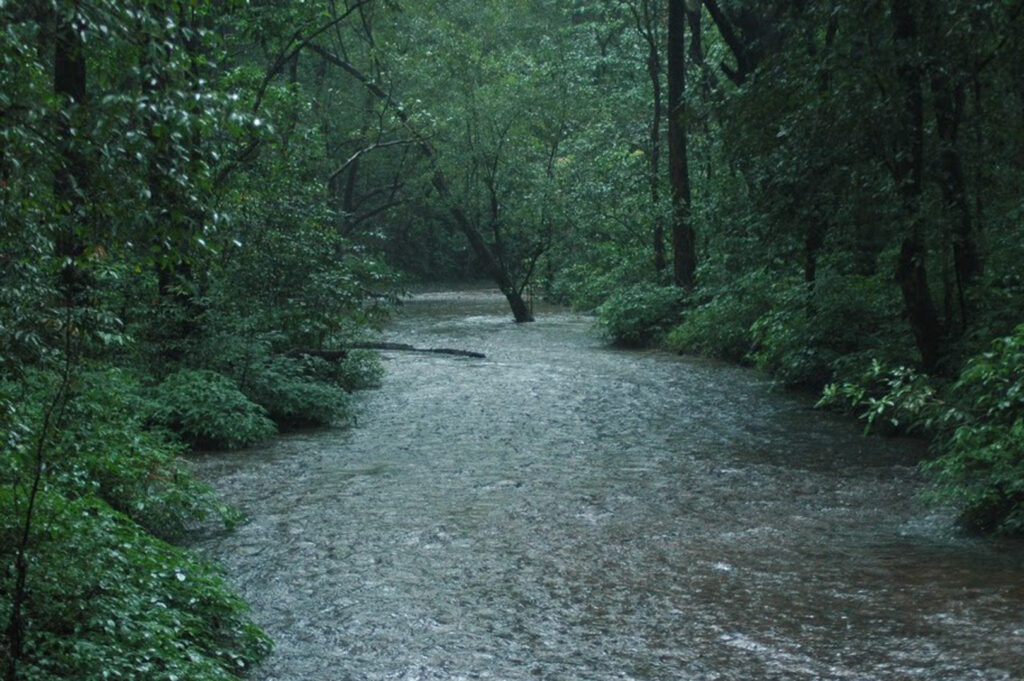
Fig. 11.7: A monsoon stream; Mollem National Park. (Dr. Anirban Datta Roy)
Appendix 11.2: Common Freshwater Fishes of the Mhadei River
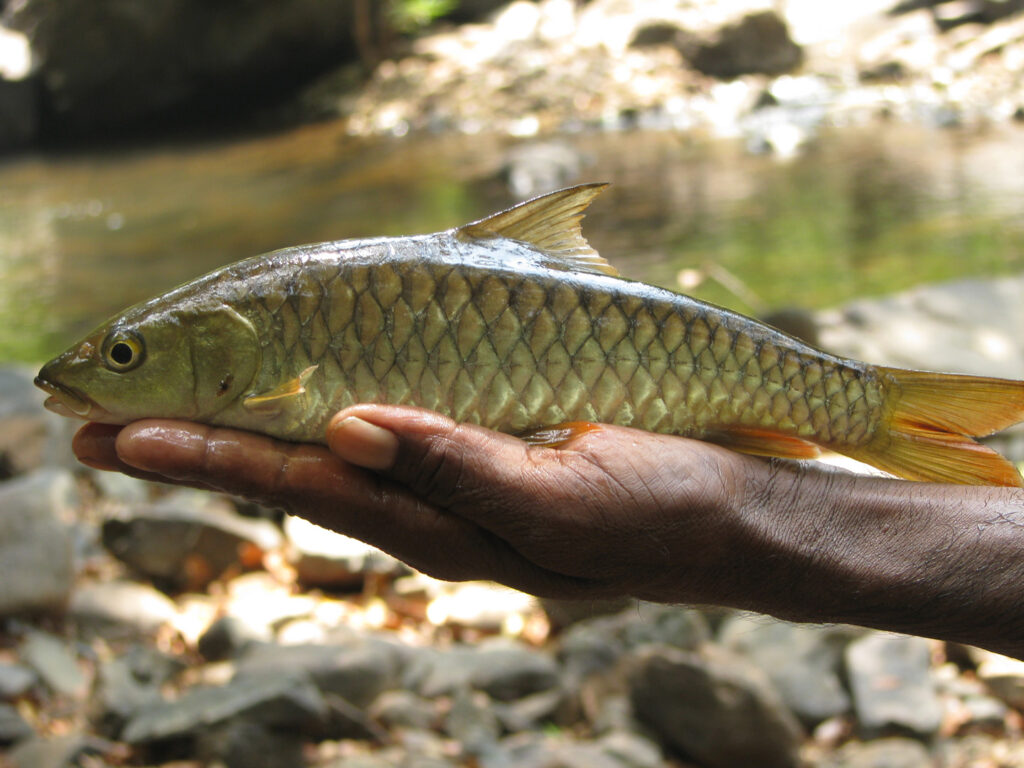
Fig. 11.8: Deccan mahseer (Tor khudree). Local name: Khadas
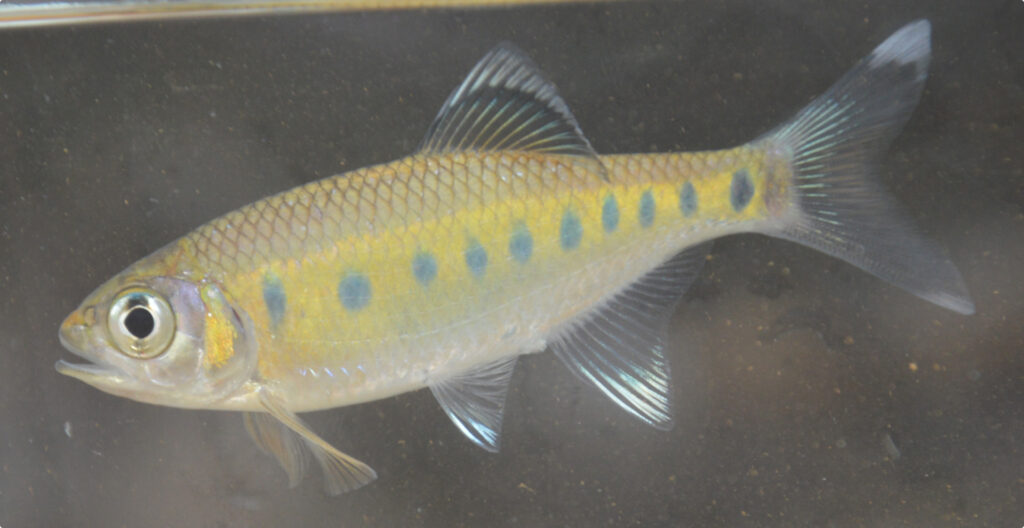
Fig. 11.9: Malabar danio (Devario malabaricus). Local name: Pakali
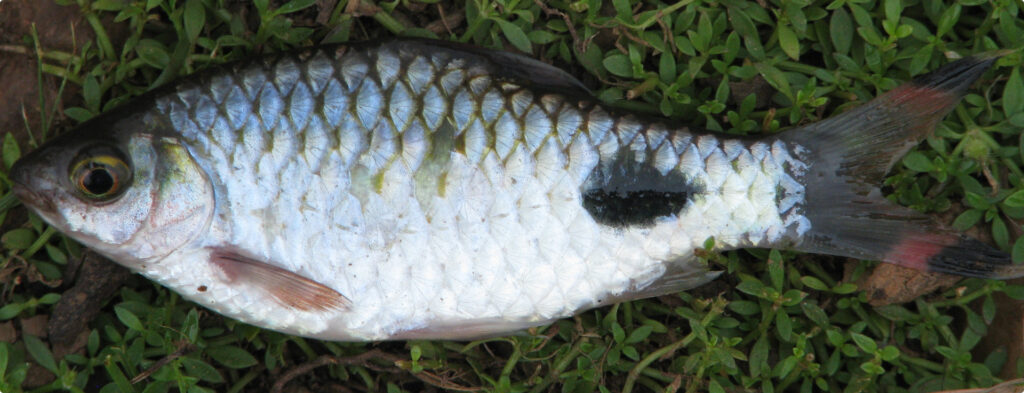
Fig. 11.10: Filament barb (Dawkinsia filamentosus). Local name: Bel
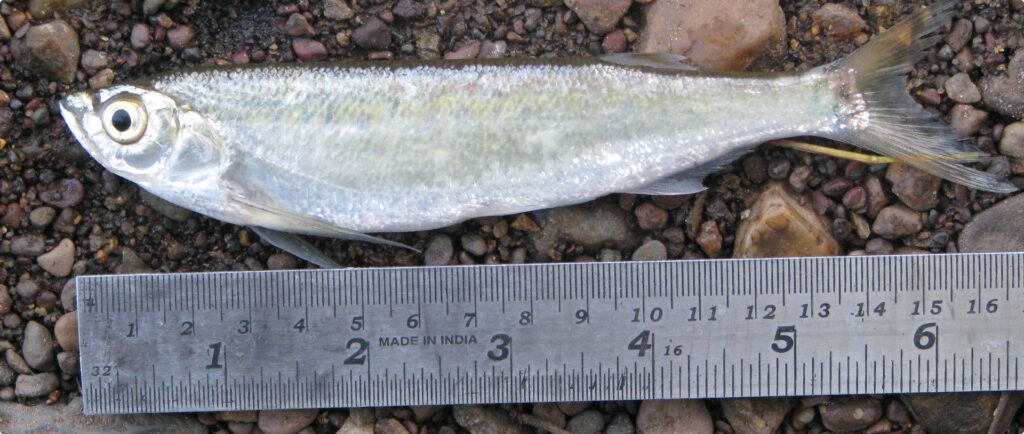
Fig. 11.11: Razor belly minow (Salmopstoma boopis). Local name: Danai
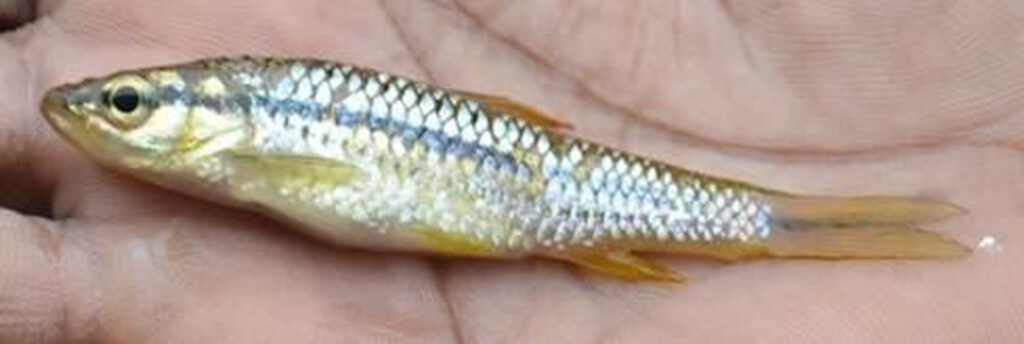
Fig. 11.12: Blackline Rasbora (Rasbora daniconius) Local name: Dandi Fig.
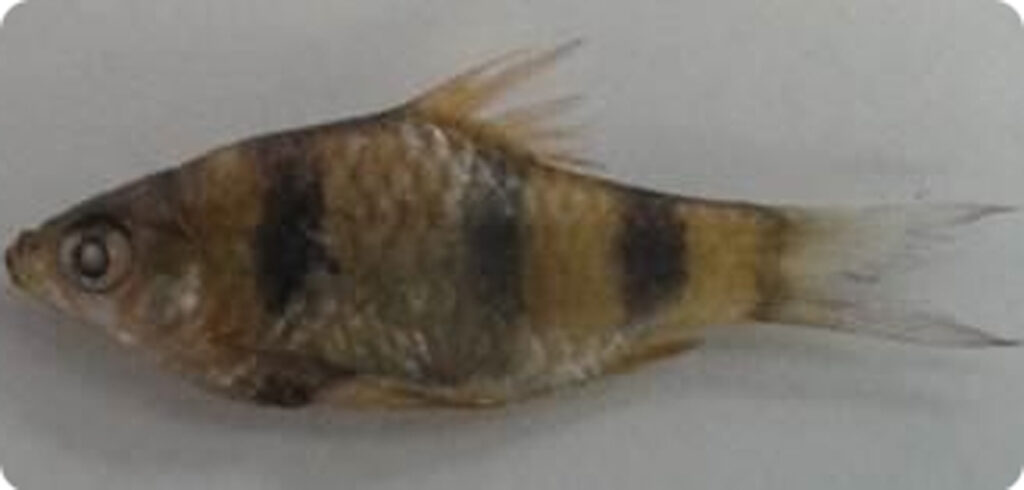
Fig. 11.13: Narayani barb (Pethia narayani).Local name: Kumbarli
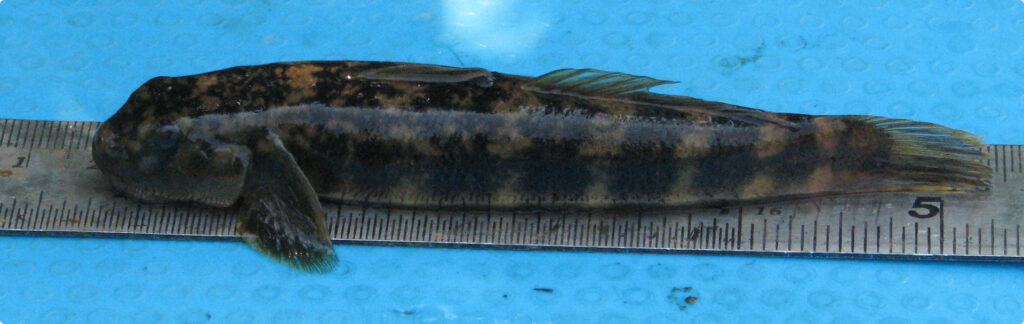
Fig. 11.14: Clown goby (Sicyopterus griseus). Local name: Ledio
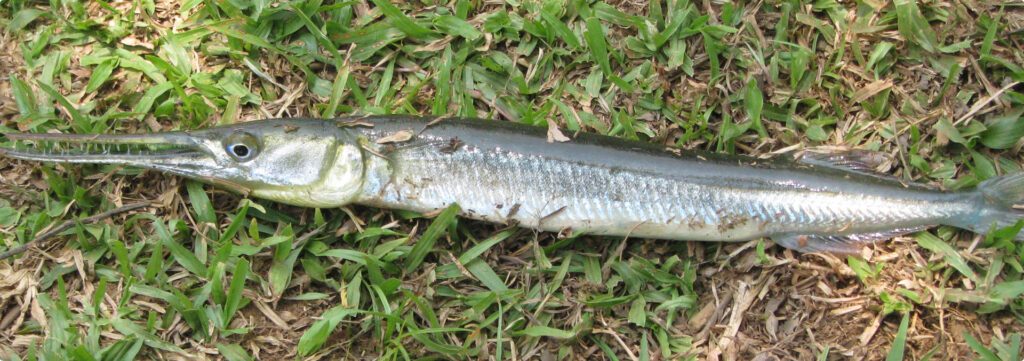
Fig. 11.15: Freshwater garfish (Xenentodon cancila). Local name: Talau
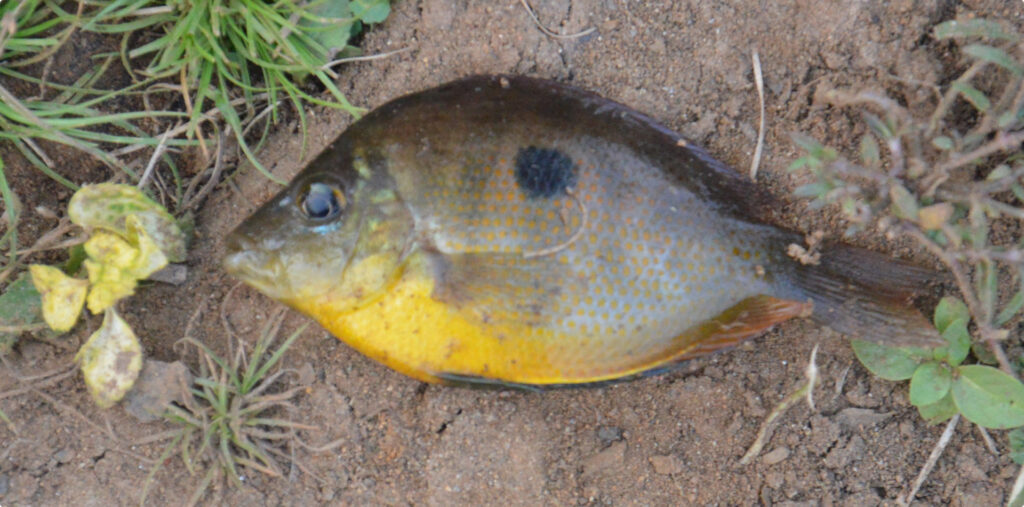
Fig. 11.16: Orange chromid (Etroplus maculatus) Local name: Kalundar
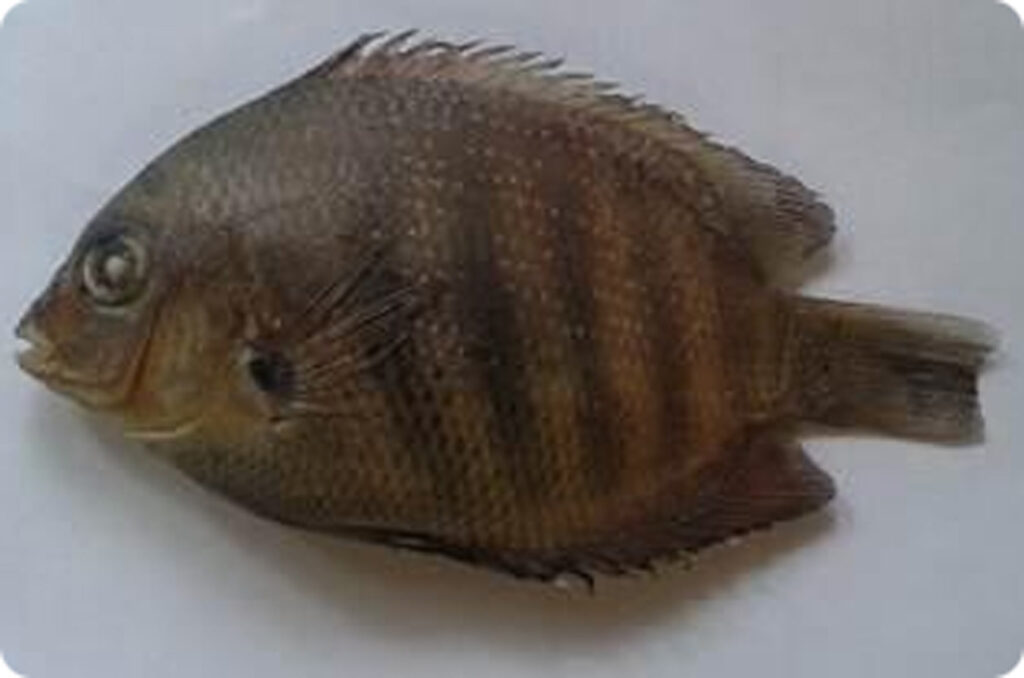
Fig. 11.17: Green chromid (Etroplus suratensis). Local name: Kalundar
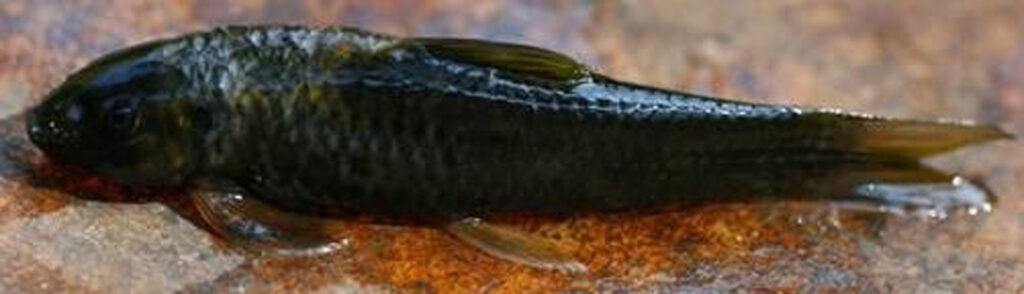
Fig. 11.18: Sucker fish (Garra mullya). Local name: Malava
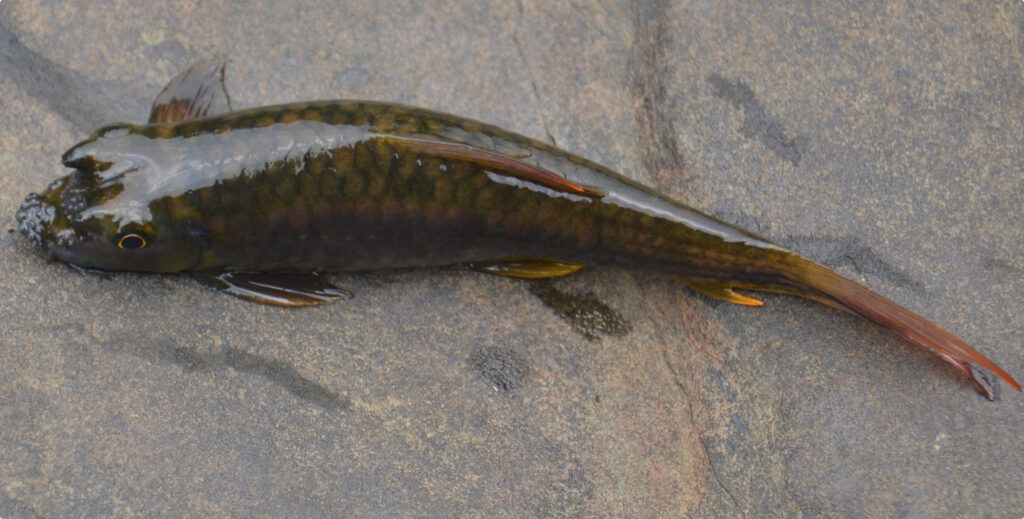
Fig. 11.19: Tunga garra (Garra bicornuta). Local name: Malava
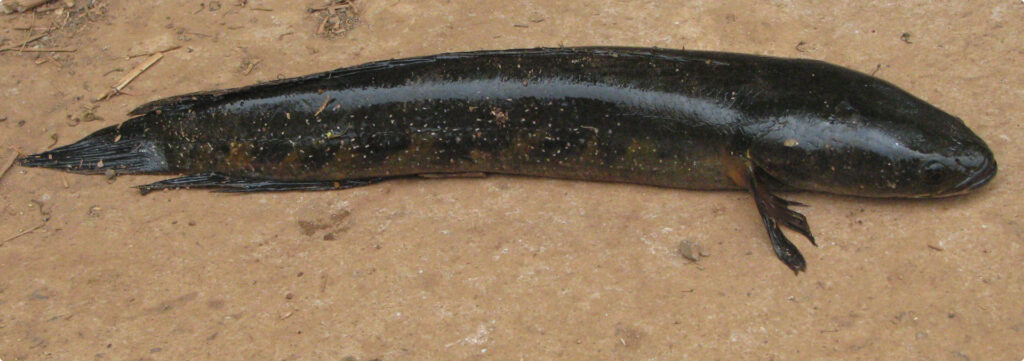
Fig. 11.20: Great snakehead (Channa marulius). Local name: Dekhul
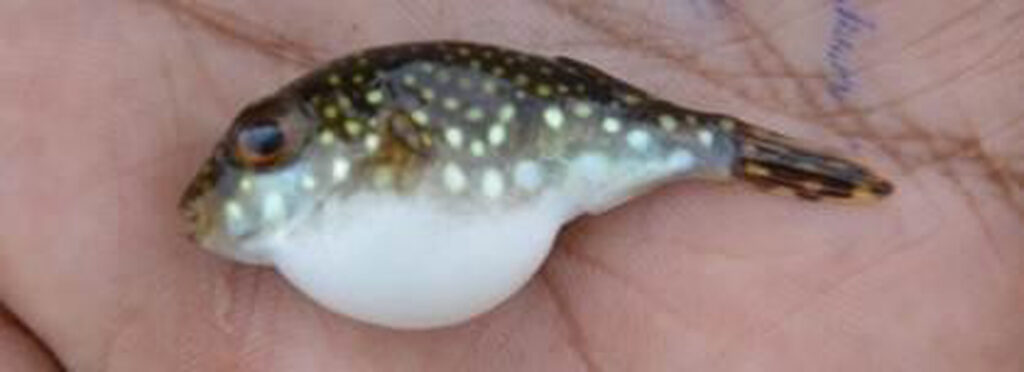
Fig. 11.21: Malabar puffer fish (Carinotetraodon travancoricus).
Fig. 11.22: Jerdon’s barb (Hypselobarbus jerdoni)
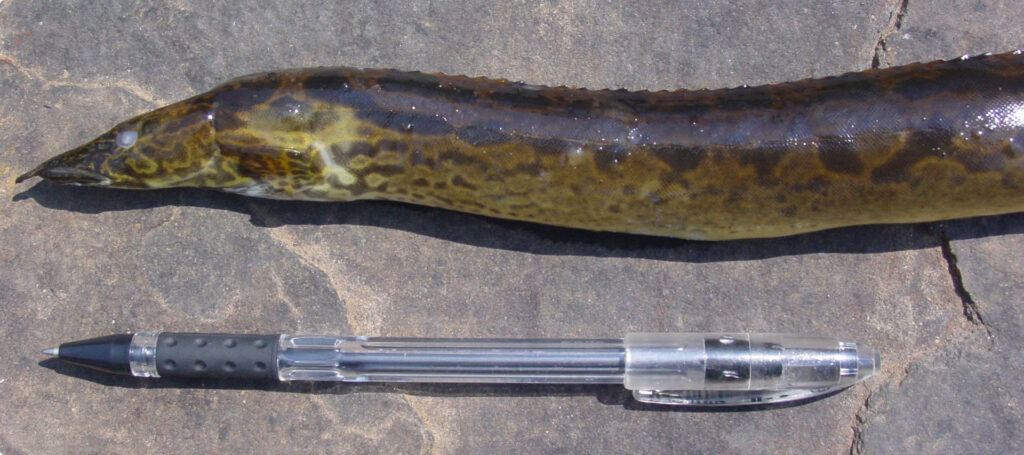
Fig. 11.23: Spiny eel (Mastacembelus armatus). Local name: Sap mashi
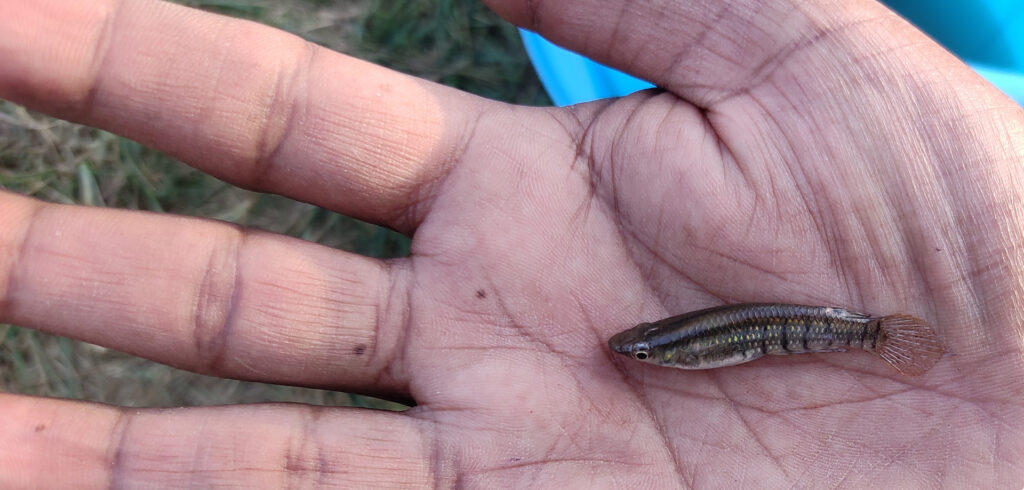
Fig. 11.24: Striped panchax (Aplocheilus lineatus)
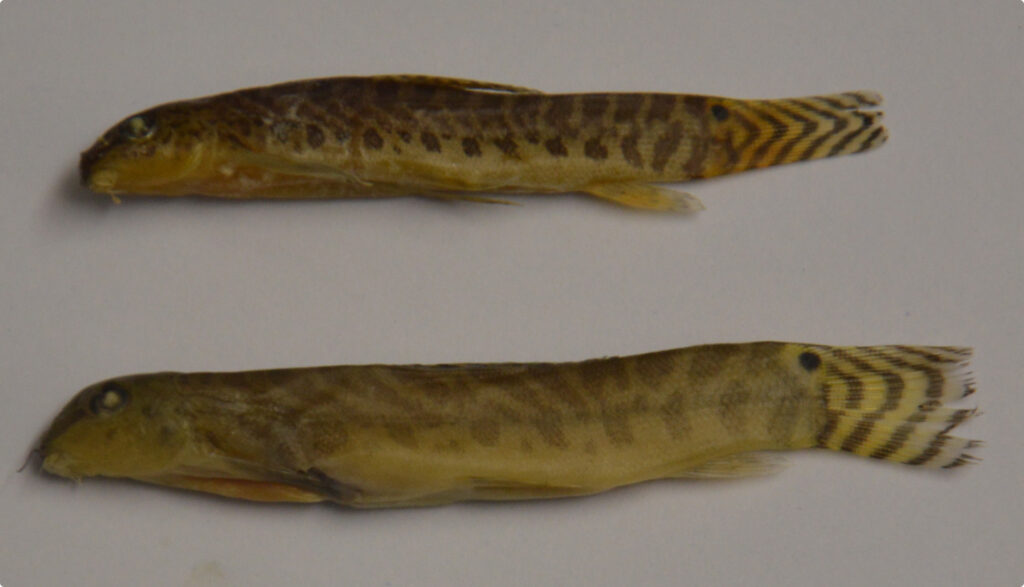
Fig. 11.25: Maharashtra zipper loach (Paracanthocobitis mooreh)
Footnotes
1 Dam removal is not as common in Southeast Asia as in other regions of the world. The Klamath river in California and Oregon, USA is one of the first example of dam removal in early 2024, which created 676 km-long stretch of free-flowing river. The area has already seen species recovery of the native Coho salmon (Oncorhynchus kisutch) population (Kimbrough 2024). Similarly, a series of dams were dismantled in 2023 in Finland and the Hiitolanjoki river witnessed the recovery of the land locked salmon (Salmo salar) (Dam Removal Europe 2022).
References
Abraham, R. K., and N. Kelkar. 2012. “Do Terrestrial Protected Areas Conserve Freshwater Fish Diversity? Results from the Western Ghats of India.” Oryx 46 (4): 544553. https://doi.org/10.1017/ S0030605311000937.
Atkore, V. 2017. Drivers of Fish Diversity and Turnover across Multiple Spatial Scales: Implications for Conservations in the Western Ghats, India. PhD diss., Manipal Academy of Higher Education, Karnataka.
Bhat, A. 2004. “Patterns in the Distribution of Freshwater Fishes in Rivers of Central Western Ghats, India, and Their Associations with Environmental Gradients.” Hydrobiologia 529: 83–97. https://doi.org/10.1007/s10750-004-4949-1.
Bhatt, J.P., K. Manish, and M.K. Pandit. 2012. “Elevation Gradients in Fish Diversity in the Himalaya: Water Discharge Is the Key Driver of Distribution Patterns.” PLOS ONE 7 (9): e46237. https://doi.org/10.1371/journal.pone.0046237.
Dam Removal Europe. 2022. “Celebrating the Second Removal in Hiitolanjoki River.” Dam Re-moval Europe, November 14, 2022. https://damremoval.eu/hiitolanjoki-second-dam-removal/
Daniels, R. J. 2002. Freshwater Fishes of Peninsular India. India: A Lifescape Series. Hyderabad: Universities Press.
FAO. 2022. The State of World Fisheries and Aquaculture 2022: Towards Blue Transformation. Rome: FAO. https://doi.org/10.4060/cc0461en
Fisheries Conservation Foundation. 2019. Mahseer Research Project .
Froese, R., and D. Pauly, eds. 2024. FishBase. World Wide Web electronic publication. https://www. fishbase.org/ (accessed December 2024).
Hughes, K. 2021. The World’s Forgotten Fishes. Gland: WWF International.
ICSF (International Collective in Support of Fishworkers). 2015. “Bangladesh Explores Mola Fish for a Nutrition Boost.” https://icsf.net/newss/bangladesh-explores-mola-fish-for-a-nutrition-boost/.
Jayaram, K. C. 2010. The Freshwater Fishes of Indian Regions. New Delhi: Narendra Publishing House.
Johnsingh, A. J. T., A. S. Negi, and D. Mohan. 2006. Golden Mahseer and Other Sport Fish Conser-vation in Uttaranchal. Mysore: Nature Conservation Foundation and Wildlife Institute of India, Dehra Dun.
Kimbrough, Liz. 2024. “Largest Dam Removal Ever, Driven by Tribes, Kicks Off Klamath River Recovery.” Mongabay, October 17, 2024. https://news.mongabay.com/2024/10/largest-dam-removal-ever-driven-by-tribes-kicks-off-klamath-river-recovery/
Like Hindi. n.d. “Fish Names in Marathi.” https://likehindi.com/fish-names-in-marathi/.
Lowe-McConnell, R. H. 1987. Ecological Studies in Tropical Fish Communities. Cambridge: Cam-bridge University Press.
Lynch, A. J., et al. 2016. “The Social, Economic, and Environmental Importance of Inland Fish and Fisheries.” Environmental Reviews 24 (2): 115–121.
Matthews, W. J. 1998. Patterns in Freshwater Fish Ecology. New York: Springer. http://dx.doi.org/ 10.1007/978-1-4615-4066-3.
Make It Happen. n.d. “Traditional Methods of Fishing in Goa.” https://makeithappen.co.in/ traditional-methods-of-fishing-in-goa/.
Molur, S., K. G. Smith, B. A. Daniel, and W. Darwall. 2011. The Status and Distribution of Freshwater Biodiversity in the Western Ghats, India. Gland: IUCN. https://iucn.org/resources/publication/ status-and-distribution-freshwater-biodiversity-western-ghats-india.
Nautiyal, P. 2014. “Review of the Art and Science of Indian Mahseer (Game Fish) from the Nine-teenth to Twentieth Century: Road to Extinction or Conservation?” Proceedings of the National Academy of Sciences, India, Section B: Biological Sciences 84 (2): 215–236. https://doi.org/10.1007/ s40011-013-0233-3.
Patricio, H., N. Ng, M. Baltzer, N. Chao, T. Lyons, and R. Raghavan. 2023. A Strategic Framework to Accelerate Urgent Conservation Action for ASAP Freshwater Fishes in Southeast Asia. Gland: IUCN SSC Asian Species Action Partnership.
Shukla, R., and A. Bhat. 2018. “Nestedness Patterns and Dispersal Dynamics in Tropical Central Indian Stream Fish Metacommunities.” Freshwater Science 37 (1): 147–158. https://www.jstor. org/stable/26540509.
Shukla, R., Ada Fontrodona Eslava, Vidyadhar Atkore, Anuradha Bhat, Neelesh Dahanukar, Jeyaraj Antony Johnson, Rajeev Raghavan, Maria Dornelas, Anne E. Magurran, and Kartik Shanker. n.d.
“Endemic Fish Promote Ecological Structure in a Tropical Biodiversity Hotspot.” Proceedings of the Royal Society B: Biological Sciences. Manuscript under review.
Subramaniam, S. 2013. Following Fish: Travels around the Indian Coast . New Delhi: Penguin Books.
Tickner, D., J. J. Opperman, R. Abell, M. Acreman, A. H. Arthington, S. E. Bunn, S. J. Cooke, et al. 2020. “Bending the Curve of Global Freshwater Biodiversity Loss: An Emergency Recovery Plan.” BioScience 70 (4): 330–342. https://doi.org/10.1093/biosci/biaa002.
Author Profile